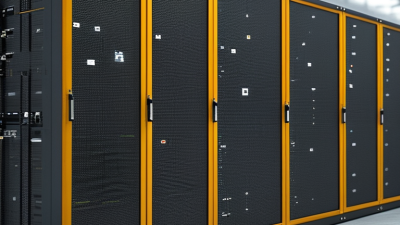
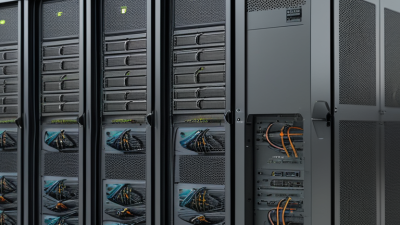
As we see energy solutions keep advancing, the need for reliable and efficient power storage is really on the rise. You’ve probably noticed that Rack Mount Lithium Battery systems are becoming pretty popular across different industries. They pack a punch with high energy density and a compact design—perfect for stuff like server rooms or data centers where space is tight but power needs are high.
A few brands are really leading the charge here. Names like APC, CyberPower, and Tripp Lite are definitely ones to watch—they’re known for making products that boost reliability and cut down on downtime. But, fair warning—these solutions aren’t always a perfect fit out of the box. Some might have compatibility hiccups or tricky integration with your existing setup.
That’s why it’s super important for buyers to really think about what they need. Factors like cost, capacity, and the level of support can make a big difference. Doing a little homework on the top options out there can actually save you a lot of time and headache in the long run. Every Rack Mount Lithium Battery has its own perks and pitfalls, so getting to know these can help you make a smarter choice overall.
Overview of Rack Mount Lithium Battery Solutions
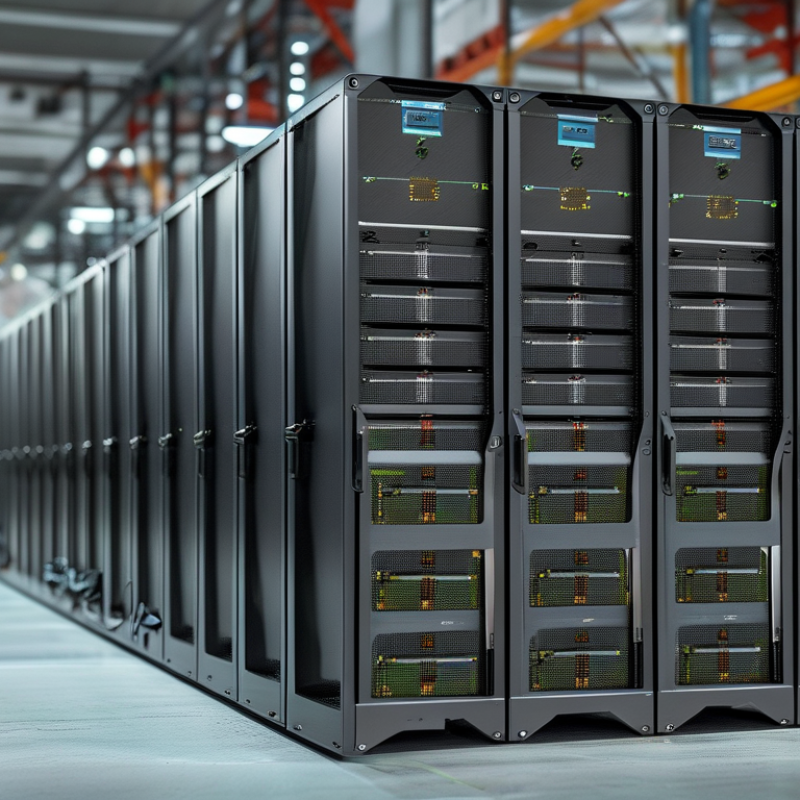
Rack mount lithium battery solutions are gaining traction in various industries, especially data centers and telecommunications. Their compact design allows for efficient use of space while providing substantial power storage. According to a report by MarketsandMarkets, the global lithium battery market is expected to reach $139.2 billion by 2026, driven by the rising demand for energy storage solutions. This statistic highlights the growing significance of these technologies, indicating a shift towards more sustainable energy practices.
Moreover, the efficiency of rack mount lithium batteries surpasses traditional lead-acid batteries. They have a longer lifecycle, typically lasting between 10 to 15 years. Studies show that lithium batteries offer a higher energy density, making them ideal for applications where space is limited. However, the initial investment is often higher than conventional options, which can deter some organizations. The challenge lies in balancing long-term savings against upfront costs, an important consideration for budget-conscious buyers.
As industries transition to renewable energy sources, investing in advanced battery solutions becomes critical. A report from the International Energy Agency projects that energy storage will play a vital role in achieving global climate goals. The emphasis on eco-friendly solutions underlines the importance of developing reliable, efficient rack mount lithium battery systems. While there are challenges regarding technology availability and cost, the potential benefits make continued exploration essential.
Key Features to Consider in Lithium Battery Solutions
When considering rack mount lithium battery solutions, there are several key features to evaluate. Battery capacity is crucial. It determines how long the system can run during a power outage. A higher capacity often means longer usage times, but it can also add to the weight and size, so careful consideration is needed.
Another factor is cycle life. This refers to how many times a battery can be charged and discharged before its capacity decreases. A longer cycle life is generally preferred, as it indicates a more durable product. Users may need to balance initial cost with long-term performance.
Safety features also play a vital role. Look for built-in protection against overcharging, overheating, and short circuits. Reliable safety mechanisms prevent accidents and enhance longevity. Reliability is critical; select products known for consistency in performance.
Tips for making a good choice include reading user reviews and consulting experts. Check if there are warranties available. Understanding the warranty can offer insight into the manufacturer’s confidence in their product. Consider how the battery will integrate into your existing systems. Compatibility affects overall efficiency, making this an essential aspect to address.
Top 10 Rack Mount Lithium Battery Solutions for Global Buyers
| Solution |
Capacity (kWh) |
Voltage (V) |
Weight (kg) |
Cycle Life (Cycles) |
Warranty (Years) |
| Solution A |
10 |
48 |
25 |
3000 |
5 |
| Solution B |
15 |
48 |
30 |
3500 |
7 |
| Solution C |
20 |
48 |
35 |
4000 |
10 |
| Solution D |
12 |
48 |
28 |
3000 |
5 |
| Solution E |
18 |
48 |
33 |
4500 |
8 |
| Solution F |
25 |
48 |
40 |
5000 |
10 |
| Solution G |
22 |
48 |
37 |
4000 |
9 |
| Solution H |
30 |
48 |
50 |
6000 |
12 |
| Solution I |
16 |
48 |
32 |
3500 |
6 |
| Solution J |
28 |
48 |
45 |
4500 |
9 |
Top Manufacturers of Rack Mount Lithium Batteries Globally
When exploring the landscape of Lithium Battery Rack Mount solutions, understanding the market's top manufacturers is crucial. Various companies focus on innovation and performance. They work diligently to enhance battery technology for better energy efficiency and longevity. Known for their robust construction, these rack-mounted solutions cater to diverse applications, from data centers to renewable energy systems. Clients seek reliable products that offer consistent power.
Producers of Lithium Battery Rack Mount units emphasize quality and safety. Manufacturers utilize advanced materials and design techniques. They conduct thorough testing to meet international standards. However, the fast-paced nature of technology can lead to discrepancies in performance claims. It’s vital for buyers to conduct due diligence and research. Pay attention to customer reviews and expert opinions.
Additionally, while many manufacturers tout their products as top-tier, not all meet high expectations consistently. Some may fall short on support and after-sales service. It's essential for global buyers to be cautious. Weigh options carefully before making a commitment. Each decision should align with specific energy needs and budget constraints. A well-informed choice can lead to significant long-term benefits.
Top 10 Rack Mount Lithium Battery Solutions for Global Buyers
This bar chart represents the estimated energy capacity (in kWh) of the top 10 rack mount lithium battery solutions available to global buyers. The data reflects the increasing demand for efficient and reliable energy storage systems in various industries.
Performance Comparison of Leading Lithium Battery Models
The performance of lithium batteries is pivotal in numerous applications. A recent industry report indicates that cycle life and energy density are two key metrics for evaluating these solutions. Cycle life refers to the number of charge and discharge cycles a battery can endure while maintaining performance. For example, some top models offer over 3,000 cycles. This longevity is critical for reducing overall costs and improving sustainability.
Energy density, often measured in Wh/kg, varies significantly among lithium batteries. About 200 Wh/kg is a benchmark for high-performance batteries. Models achieving this mark can drive greater efficiency in power storage. The rise of 48v Rack Mount Lithium Battery systems highlights the demand for high energy density in compact designs. However, performance must be weighed against other factors like thermal management and safety standards.
Despite advancements, many users still experience issues with battery degradation. It’s crucial to consider the environmental conditions and usage patterns. Aging can significantly affect performance. Regular assessments can prevent unexpected failures and enhance reliability. Understanding these dynamics creates a more informed approach for global buyers looking for effective lithium battery solutions.
Applications of Rack Mount Lithium Batteries Across Industries
Rack mount lithium batteries are transforming various industries by providing efficient power solutions. In data centers, for example, the use of these batteries has surged due to the increasing demand for reliable backup power. A recent report indicates that the global market for rack mount battery systems is expected to reach $2.5 billion by 2026, reflecting a compound annual growth rate of approximately 15%. This growth is driven by the need for uninterrupted power supply.
In telecommunications, rack mount lithium batteries play a crucial role in maintaining service continuity. They ensure that critical systems remain operational during outages. The industry often favors these batteries for their space-saving design and high energy density. A study by the International Energy Agency highlighted that around 60% of telecom operators now rely on advanced battery technology to enhance energy efficiency.
However, the rapid adoption of these technologies is not without challenges. Reliability remains a key concern, particularly regarding battery lifespan and degradation. Users must consider factors such as thermal management and charging cycles to maximize their investment. Balancing performance with cost-effectiveness is essential, especially with the growing emphasis on sustainability. The integration of 48v rack mount batteries can offer demanding applications a robust solution, but reliability should always be critically evaluated.
Cost Analysis: Budgeting for Lithium Battery Solutions
When budgeting for lithium battery solutions, various factors need careful consideration. The initial investment can be significant, often ranging from $500 to $2,500 per unit for robust systems. The price varies based on capacity, technology, and manufacturer pricing strategies. A detailed analysis suggests that over a five-year period, total ownership costs can be reduced. This includes maintenance, efficiency gains, and potential rebates associated with energy savings.
Recent industry reports indicate that global demand for rack mount lithium batteries has grown by over 15% annually. As more businesses adopt renewable energy sources, the need for energy storage solutions has surged. This growth translates into varied pricing options. Investing in lower-cost solutions may lead to higher long-term expenses due to inefficiencies or lifespan issues.
It is crucial to weigh these costs against performance metrics. Not all systems offer the same discharge rates or cycle life. A poor choice in a Rack Mount 48v Battery could result in inadequate power supply, impacting operations. Data suggests that users should expect a lifespan between 5 to 15 years, depending on usage and maintenance. Each decision, while complex, requires a focus on balancing initial costs with long-term performance and reliability.
Future Trends in Rack Mount Lithium Battery Technology
As the demand for sustainable energy solutions grows, the rack mount lithium battery technology is evolving rapidly. Future trends will focus on enhanced energy density, which allows more power storage in smaller spaces. Efficiency will be paramount, driven by a need for longer battery life and quicker charging times. These advancements are crucial for data centers and renewable energy systems.
The integration of smart technology is another key trend. Smart battery systems monitor performance and optimize energy usage. This increases reliability and safety, essential for modern applications. Furthermore, manufacturers are emphasizing thermal management innovations to prevent overheating, which remains a challenge in high-capacity systems.
Consider regular maintenance of your battery systems. Monitoring health indicators can extend battery life significantly. Look into modular designs for easy upgrades. This gives flexibility for future technological advancements. Investing in robust management systems will pay off in preventing potential issues. Being proactive is vital in maintaining optimal performance.
Empowering Mobility: Analysis of 48V 100Ah LiFePO4 Battery Benefits for Golf Carts and Beyond in the Current Market Landscape
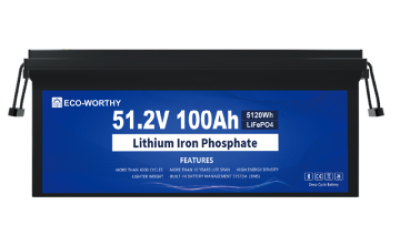
The integration of a 48V 100Ah LiFePO4 battery system is revolutionizing mobility solutions, particularly for golf carts and a wide array of other applications. These batteries boast numerous advantages, such as reduced weight and impressive cycle longevity, making them a prime choice for users who prioritize efficiency and sustainability. Weighing just 37.6kg, this lightweight design enables easy handling, facilitating effortless installation and portability for diverse applications including RVs, marine setups, and off-grid systems.
Moreover, the robust features of a modern LiFePO4 battery enhance user experience and safety. With over 4,000 charge cycles expected from A-grade cells, users can enjoy a reliable power source with minimal maintenance. Additionally, the incorporation of dual monitoring options, such as Bluetooth connectivity and intelligent display, allows users to track battery performance in real-time, ensuring optimal operation. The battery management system (BMS) provides essential protection, enabling use across a wide range of temperatures, which is beneficial for both indoor and outdoor applications.
This adaptability and advanced technology truly make these batteries a game-changer in the current market landscape, offering versatile power solutions for not just golf carts, but also for lawn equipment and backup power needs. By upgrading to these innovative and lightweight power sources, users can experience enhanced mobility and resilience in varying conditions, all while contributing to a more sustainable future.
FAQS
: They are commonly used in data centers and telecommunications for efficient power storage and backup.
They have a longer lifecycle, higher energy density, and compact design, making them suitable for limited spaces.
The initial investment is higher than conventional options, which can deter some organizations from adopting them.
They usually last between 10 to 15 years, depending on usage and maintenance.
Factors include battery capacity, cycle life, safety mechanisms, and compatibility with existing systems.
Built-in protection against overcharging, overheating, and short circuits are crucial for safety and longevity.
They help maintain service continuity during outages, addressing reliable power needs in critical systems.
Approximately 60% of telecom operators utilize advanced battery technology for improved energy efficiency.
Factors like thermal management, charging cycles, and balancing performance with cost-effectiveness are essential.
Reliability concerns related to lifespan and degradation can affect user satisfaction and performance expectations.
Conclusion
The article "Top 10 Rack Mount Lithium Battery Solutions for Global Buyers" provides a comprehensive overview of the various rack mount lithium battery solutions available on the market. It highlights the key features to consider when selecting these battery systems, such as energy density, integration capabilities, and longevity. Additionally, it discusses leading manufacturers worldwide, comparing the performance of top lithium battery models to help buyers make informed decisions.
Furthermore, the article explores the diverse applications of rack mount lithium batteries across different industries, emphasizing their growing importance in energy storage and backup power systems. A cost analysis section assists potential buyers in budgeting for their lithium battery solutions, while the article concludes with insights into future trends in rack mount lithium battery technology, indicating advancements that may shape the industry in the coming years.