Lately, it seems like everyone's talking about Bluetooth Lithium Batteries, and honestly, the demand's been skyrocketing thanks to the whole wireless tech boom. Back in 2022, the global market for lithium batteries was sitting around $50 billion, and most experts are basically betting on even bigger growth ahead. This whole trend just goes to show how important it is to partner up with reliable suppliers who can keep up with the pace of innovation and quality.
As more and more consumer gadgets, cars, and renewable energy setups embrace Bluetooth tech, choosing the right supplier really matters. Companies like BYD, A123 Systems, and CATL are really leading the charge here. They've got the know-how to make batteries that are not just efficient but also last a long time. That said, even these top players face hurdles when it comes to being sustainable and streamlining production.
Getting a good grip on how the market’s moving and knowing who the big players are can really help businesses make smarter choices when it comes to sourcing. With so many options out there, it’s all about finding that sweet spot between innovation and reliability — especially in the Bluetooth Lithium Battery world.
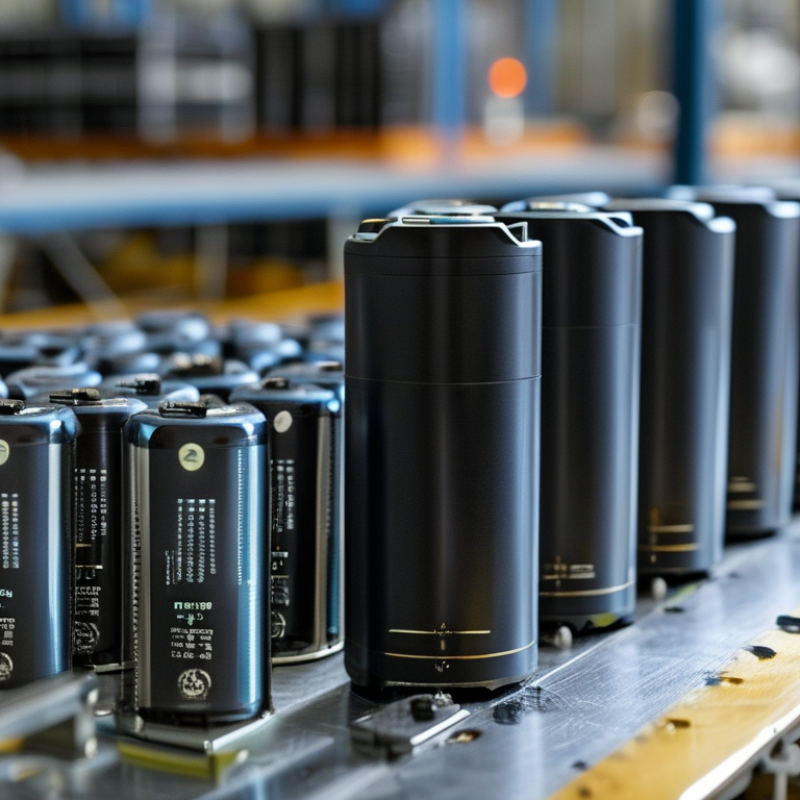
Overview of the Bluetooth Lithium Battery Market in China
The Bluetooth lithium battery market in China has seen significant growth recently. This surge is driven by increasing demand for wireless technology in consumer electronics, automotive applications, and healthcare devices. The expansion of 5G networks and the rise of the Internet of Things (IoT) also enhance this trend.
China is home to a vast number of suppliers. Many of them focus on innovation in battery technology. However, the competition can lead to quality inconsistency. Some suppliers may prioritize cost over reliability, affecting end-user satisfaction. This raises questions about how to assess quality in a crowded market.
Regulatory standards in China are improving, yet challenges remain. Manufacturers must navigate both local and international compliance. Shortcomings in quality control processes have been noted. Businesses need to address these issues to maintain trust in their products. Overall, while the market is promising, careful consideration of suppliers is crucial.
Key Features and Benefits of Bluetooth Lithium Batteries
Bluetooth lithium batteries have become essential in modern technology. Their unique features deliver impressive performance and versatility. As per industry reports, the global market for lithium-ion batteries is expected to grow significantly, with a projected CAGR of 15% from 2023 to 2030.
One key feature is their lightweight construction, making them ideal for portable devices. They typically offer higher energy density compared to other battery types. This allows gadgets to run longer on a single charge. However, several manufacturers grapple with consistent quality control, which can lead to reliability issues. Not all batteries perform equally well across different temperature ranges, revealing areas needing improvement.
Bluetooth lithium batteries also support fast charging, a crucial factor for consumer satisfaction. Many users expect devices to be ready quickly. A recent survey found that 60% of consumers prioritize charging speed when choosing gadgets. Yet, the safety of fast-charging technology remains a concern, as overheating can pose risks. Effective thermal management is essential for future advancements in this field.
Criteria for Selecting Top Lithium Battery Suppliers
When selecting top lithium battery suppliers, several criteria should be considered. Reliability is crucial. Look for suppliers with proven track records in the industry. This ensures that their products meet high performance standards. Significantly, a reputable supplier will offer comprehensive warranties. This adds an extra layer of trust and security for your purchase.
Next, evaluate the technical specifications of their batteries. For instance, the 48v300ah Lithium Battery has specific requirements. Suppliers should provide detailed information on charge cycles, discharge rates, and longevity. Understanding these metrics can impact your overall satisfaction with the product. Furthermore, customer support matters. A responsive and knowledgeable team boosts the buying experience and resolves issues quickly.
While price is important, it shouldn't be the only factor. Sometimes a lower cost means sacrificing quality. Consider the material sourcing and manufacturing processes. Transparent suppliers usually provide insight into their practices. This transparency can help build confidence in their products. Ultimately, a balance between cost, quality, and support defines a good supplier.
China Top 10 Bluetooth Lithium Battery Suppliers You Must Know
| Supplier Rank |
Annual Revenue (Million USD) |
Battery Type |
Production Capacity (MWh) |
ISO Certification |
| 1 |
500 |
Lithium Iron Phosphate |
2000 |
ISO 9001, ISO 14001 |
| 2 |
450 |
Lithium Nickel Manganese Cobalt |
1800 |
ISO 9001 |
| 3 |
400 |
Lithium Polymer |
1600 |
ISO 9001, OHSAS 18001 |
| 4 |
380 |
Lithium Cobalt Oxide |
1500 |
ISO 9001 |
| 5 |
350 |
Lithium Titanate |
1400 |
ISO 14001 |
| 6 |
300 |
Lithium Iron Phosphate |
1200 |
ISO 9001 |
| 7 |
280 |
Lithium Nickel Manganese Cobalt |
1100 |
ISO 9001, ISO 14001 |
| 8 |
250 |
Lithium Polymer |
1000 |
ISO 9001, OHSAS 18001 |
| 9 |
230 |
Lithium Cobalt Oxide |
900 |
ISO 9001 |
| 10 |
220 |
Lithium Titanate |
800 |
ISO 14001 |
Top 10 Bluetooth Lithium Battery Suppliers in China
Bluetooth lithium batteries are becoming essential in our tech-driven world. In China, the market for these batteries continues to expand rapidly. Recent industry reports show that the demand for Bluetooth lithium batteries is expected to grow by over 20% annually. This growth is largely driven by the increasing use of wireless devices across various sectors.
When selecting a supplier, consider factors such as production capacity and technological advancements. Many top suppliers invest heavily in R&D. According to market analyses, about 30% of their budgets go to improving battery efficiency and lifespan. Battery longevity is vital in maintaining user satisfaction and reducing electronic waste.
Tips: Always check the certifications. Suppliers with quality assurance like ISO standards are more reliable.
Choosing the right supplier can be challenging. Some companies may not deliver as promised. It’s important to read reviews and conduct background checks. Enter partnerships with those who have a proven track record. This can mitigate risks and enhance product quality.
Tips: Look for customer testimonials. They can provide insights into supplier reliability.
Innovative Technologies in Bluetooth Lithium Batteries
The evolution of Bluetooth lithium batteries is truly fascinating. Recent innovations focus on enhancing energy density and efficiency. Manufacturers now create batteries that charge faster and last longer. These advancements directly impact portable devices. As more gadgets become wireless, the demand for efficient power sources grows. The 48v100ah Lithium Battery has gained attention for its robust performance in various applications.
New techniques in battery management systems improve safety and longevity. These systems monitor battery health and prevent overcharging. Investing in smart technologies ensures users have reliable power. However, challenges remain in achieving universal compatibility across devices. Some products may not fully utilize the benefits of newer batteries. Further research is essential to address these gaps and enhance overall performance.
Efforts to reduce environmental impact continue. Sustainable materials and recycling initiatives are becoming standard. Manufacturers are exploring eco-friendly alternatives to conventional lithium-ion technology. Despite progress, many companies still face hurdles in scaling these innovations. Balancing performance and sustainability remains a topic for discussion. The future of Bluetooth lithium batteries holds great potential, marked by continuous improvement and technological advancements.
Market Trends and Future Outlook for Bluetooth Lithium Batteries
The market for Bluetooth lithium batteries is witnessing rapid growth. This rise is driven by increasing demand in consumer electronics, automotive industries, and smart devices. Manufacturers are focusing on innovations to enhance battery life and efficiency, specifically for devices like headphones and wearables. The spotlight is on developing high-capacity solutions, such as the 12v100ah Lithium Battery, known for its reliability and longevity.
Sustainability is a critical issue. Many suppliers are exploring eco-friendly materials and recycling methods. However, challenges remain in scaling production while maintaining quality. Not all manufacturers have access to the latest technology, leading to inconsistencies in product performance. Consumers are becoming more discerning, pushing suppliers to improve transparency and reliability.
The future outlook indicates further technological advancements. As competition intensifies, companies must invest in research and development. Collaboration with tech firms may foster innovation, leading to smarter battery packs. Yet, the industry faces hurdles like supply chain disruptions and regulatory changes. A keen eye on market trends shows that adaptability will determine which suppliers thrive in the coming years.
Challenges Faced by Battery Suppliers in the Industry
The lithium battery industry in China faces significant challenges that demand attention. Rapid advancements in technology have led to increased competition. From 2018 to 2023, the market for lithium batteries is projected to grow by over 20% annually. This growth creates pressure on suppliers to innovate continuously. However, many struggle with maintaining quality while scaling production.
In addition, regulatory changes complicate compliance. Manufacturers must navigate a complex landscape of environmental regulations and safety standards. According to industry reports, about 70% of battery suppliers believe compliance is a major barrier to their growth. This often results in delays and increased costs, impacting overall supply chain efficiency.
Moreover, the demand for sustainable options persists. Eco Worthy Lithium Battery has gained traction due to its focus on environmentally friendly products. Suppliers must adapt to this trend while managing resource scarcity. Lithium extraction is becoming more contentious, affecting supply reliability. These factors require suppliers to rethink their strategies, ensuring they meet market needs while tackling present challenges.
FAQS
: Increased demand for wireless technology in consumer electronics and automotive applications drives growth.
They are lightweight, making them ideal for portable devices unlike heavier battery types.
They offer higher energy density, enabling longer device usage on a single charge.
Safety issues may occur, as overheating can pose risks. Effective thermal management is essential.
Buyers must research suppliers and look for consistency in performance and reviews.
Navigating complex environmental regulations can impede growth and add costs for suppliers.
Scaling production while maintaining quality often leads to inconsistency in battery performance.
Yes, the market is projected to grow significantly, with over 20% annual growth anticipated.
Suppliers must innovate constantly, which can lead to compromises in quality.
The demand for sustainable options and contentious lithium extraction practices challenge supply chains.
Conclusion
The article provides a comprehensive overview of the Bluetooth Lithium Battery market in China, highlighting its key features and benefits, which include high energy density, lightweight design, and efficient performance. When selecting top suppliers, potential buyers should consider criteria such as product quality, technological innovation, and customer support.
Additionally, the article discusses the top 10 Bluetooth Lithium Battery suppliers in China, exploring their innovative technologies and contributions to the market. It also examines current market trends and the future outlook, emphasizing the growing demand for Bluetooth Lithium Batteries in various applications. Furthermore, it addresses the challenges faced by suppliers, including competition and regulatory hurdles, underscoring the dynamic landscape of the industry.


