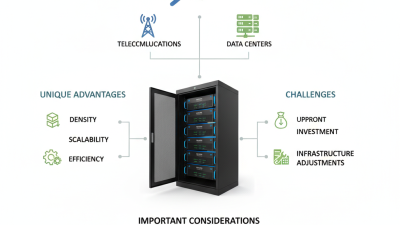
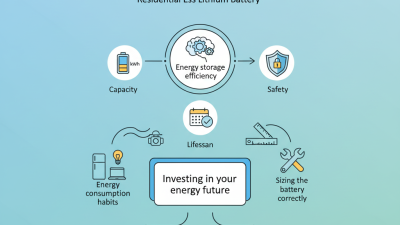
Hey, in today's fast-changing energy scene, everyone’s really looking for more efficient power solutions. One option that’s gaining a lot of attention is a Rack Mounted Battery. It’s actually pretty versatile — great for both homes and businesses. The best part? These systems are compact and can be expanded easily, so they give you reliable energy support for whatever you need. But, honestly, picking the right one isn’t exactly a walk in the park. You’ve gotta think about things like capacity, voltage, and whether it plays nicely with your existing setup.
Good quality Rack Mounted Battery systems from brands like EcoFlow and Schneider Electric really set the bar in terms of reliability and performance. They’ve got tons of expertise, which gives you some peace of mind. Still, not every system is a perfect fit for every situation, so a bit of research can go a long way—I mean, those little details really matter.
And don’t forget, beyond just specs and tech, it’s super important to check out support and maintenance services. Having solid customer service can be a game-changer. Sadly, that part often gets overlooked amidst all the shiny marketing and cool features. Hearing from actual users can give you insights that specs just can’t, helping you make a smarter decision. In the end, choosing the right Rack Mounted Battery can really impact your overall energy efficiency and long-term sustainability — so it’s worth taking the time to get it right.

Understanding Rack Mounted Battery Systems
When choosing a rack mounted battery system, several factors come into play. Understanding the specific requirements is crucial. Rack mounted lithium batteries provide a compact and efficient power solution for various applications. These systems are popular in both commercial and industrial settings. They fit seamlessly into existing infrastructure.
A typical Rack Mounted Lithium Battery system can vary in capacity, discharge rates, and cycle life. It’s important to match these features with your energy needs. Look for systems offering scalability. Flexibility ensures your battery can grow with your requirements. Users often overlook installation and maintenance aspects too. A system that’s difficult to manage may not be the best choice.
Often, discussions focus on cost and performance. However, reliability and safety are paramount. Research into user experiences can reveal potential pitfalls. A well-informed decision is vital. Engage with professionals if possible. Their insights can guide you.
Ultimately, investing time in understanding rack mounted battery systems is essential for achieving your energy goals.
Assessing Your Power Requirements for Rack Mounted Solutions
When selecting a rack-mounted battery system, the initial step lies in assessing your power needs. Understanding your specific usage is crucial. Consider the total wattage required for all devices you intend to support. This demand affects the capacity of your Rack-Mounted Ess Battery. A system that does not meet your requirements can lead to inefficiencies or unexpected outages.
Evaluate how long you need power backup. Short-term outages require less capacity than long-term solutions. If you frequently face power cuts, opt for a system with a higher capacity. Often, people underestimate their energy needs or overestimate their available power. Include future expansions in your calculations. A scalable solution is wise.
Pay attention to compatibility. Ensure the rack-mounted battery aligns with your existing infrastructure. Not all systems are created equal. Some may have limited integration options. Therefore, do your research before committing. A decision made in haste can lead to regrets later. Ultimately, take the time to understand your requirements fully.
Power Requirements for Rack Mounted Battery Systems
Evaluating the Available Space for Battery Installation
When selecting a rack-mounted battery system, evaluating your available space is crucial. Measure the area where the battery will be installed. Ensure you account for clearance and accessibility. A well-planned layout can prevent issues later on. Insufficient space may lead to overheating or maintenance challenges.
Consider the dimensions of the Bess Rack-Mounted Lifepo4 Battery. It provides a compact solution but requires precise installation. Think about the airflow around the battery system. Stagnant air can harm performance and longevity. Avoiding obstacles around your installation site is important.
Don’t forget about future expansion. You might need additional batteries later. Design your setup to accommodate growth. A little foresight can save you time and money. Check your space regularly. It’s easy to forget about changing needs once the batteries are in place. Regular assessments can prevent problems down the line.
Essential Tips for Choosing a Rack Mounted Battery System
| Dimension |
Measurement |
Considerations |
| Height |
42U (Approximately 72 inches) |
Ensure the rack has sufficient vertical space. |
| Width |
19 inches |
Standard width for compatibility with most racks. |
| Depth |
24-36 inches |
Adequate depth for airflow and cable management. |
| Weight |
Up to 500 lbs |
Check rack weight limits and floor load capacity. |
| Cooling |
Active or Passive |
Evaluate airflow needs for performance. |
| Power Requirements |
12V, 24V, or 48V systems |
Assess compatibility with existing power systems. |
| Expansion Capability |
Modular Systems |
Plan for future power needs. |
Choosing the Right Battery Technology: Lithium vs. Lead-Acid
When selecting a rack-mounted battery system, the choice between lithium and lead-acid is crucial. Lithium batteries, like a 48v 50ah Rack-Mounted Lithium Battery, stand out for their higher energy density. They offer longer lifespans compared to lead-acid options. This means fewer replacements and ultimately lower costs in the long run.
Lead-acid batteries, however, still have a place in various applications. Their lower initial cost can be appealing, especially for budget-restrained projects. Yet, their weight and bulkiness can make installation challenging. Performance tends to drop in demanding conditions, raising concerns about reliability over time.
Thinking critically about your needs is essential. Will weight, efficiency, or budget take priority? Often, organizations underestimate their power requirements. In a rush, they may choose lead-acid without realizing the advantages of lithium technology. Balancing cost and performance can lead to a better long-term investment.
Determining the Appropriate Capacity and Runtime Needed
When choosing a rack-mounted battery system, understanding the appropriate
capacity and runtime needed is essential. A common mistake is underestimating total energy demands.
Calculate the total wattage used by connected devices. Consider peak usage times. This will help gauge how much
capacity is necessary. If you consistently run multiple devices simultaneously, plan for that in your calculations.
Runtime is equally critical. Determine how long you want the system to operate during an outage. Some may only need a few hours of backup,
while others require longer duration. Make comparisons with average usage from previous incidents. It’s often surprising how quickly power
needs can add up.
Be cautious about balancing capacity versus runtime. A larger battery
usually means a higher initial investment. Yet, a smaller battery might not meet demands. This leads to the risk of depletion
during crucial moments. Analyze your specific needs, but remember this might not provide a perfect solution in every scenario.
Always be prepared to re-evaluate your options over time.
Reviewing Safety Features and Compliance Standards
When choosing a rack-mounted battery system, safety features are paramount.
It’s essential to look for systems that follow strict compliance standards. These standards often include certifications from recognized organizations.
Check for thermal management features, like temperature sensors and cooling systems.
Overheating can cause battery failures, which lead to safety hazards.
Another critical aspect is short-circuit protection.
A reliable system will have integrated measures to prevent overcurrent scenarios.
An alarm system can alert users in case of danger. Additionally, consider the physical design of the battery rack.
Ensure it is stable and can withstand vibrations and shocks.
Empty spaces within the rack can increase the chance of accidents.
Regulatory compliance is not just a checkbox.
Systems should meet local safety regulations but also international standards.
It’s wise to consult experts if you are unsure about the requirements.
Understanding the nuances of compliance can save you from potential pitfalls.
Reflect on what features might be lacking in the systems you evaluate.
Aim for comprehensive safety without compromising on performance.
Considering Scalability and Future Expansion Needs
When choosing a rack-mounted battery system, considering scalability is crucial. Think ahead about your current needs and future requirements. Will your energy demands grow? Can the system accommodate additional batteries? Flexibility in design is vital. You want a system that evolves with your needs without requiring a complete overhaul.
Plan for expansion from the start. Many systems have a limited capacity. This limitation can hinder scaling. Assess how easily you could add batteries later. Some systems allow modular additions, which can save time and cost. A well-designed system should facilitate easy upgrades.
Reflect on your choices. It is easy to focus solely on immediate needs. However, overlooking potential growth can lead to expensive changes down the line. Research various options. Consult industry experts. This approach builds a reliable foundation for your energy management strategy. Keeping scalability in mind ensures your system stays relevant and effective for years.
Maximize Your Energy: Exploring the Eco-Worthy 12V 200Ah LiFePO4 Battery for Sustainable Power Solutions
Looking for an efficient and sustainable power solution? Explore the eco-worthy 12V 200Ah LiFePO4 battery, a remarkable advancement in energy storage technology. Designed with cutting-edge materials, this lithium iron phosphate battery is not only reliable but also excels in performance. Its exceptional cycle life significantly reduces the need for frequent replacements, making it an economical choice for various applications.
Whether you're powering a solar energy system, embarking on RV adventures, or setting up a marine power solution, this 12V 200Ah battery is an ideal partner. With a focus on safety and durability, it ensures consistent energy supply without compromising on quality. Its versatility makes it suitable for off-grid setups as well, empowering users to harness renewable energy sources effectively while minimizing their carbon footprint.
By upgrading to this innovative battery, you embrace a sustainable lifestyle and contribute positively to environmental conservation. Invest in a power solution that prioritizes efficiency, safety, and long-term reliability, paving the way for a greener tomorrow.
FAQS
: Calculate the total wattage of devices. Consider peak usage times to avoid underestimating energy needs.
Identify how long you need backup during an outage. Past incidents can help in estimating this duration.
A larger battery costs more initially. A smaller one might not meet needs and could deplete quickly.
Ensure systems follow compliance standards and have thermal management features to prevent overheating.
Choose systems with integrated short-circuit protection and alarm systems to warn of potential issues.
Anticipate future energy demands. Systems should allow for adding batteries easily as needs grow.
Consider systems that enable modular upgrades. This saves time and costs when expanding capacity.
Think about possible features that may be lacking. Ensure a balance between safety and performance.
Compliance with safety standards is essential. Consulting experts can help clarify necessary regulations.
Ignoring future growth can lead to costly changes later. Always consider a long-term energy management strategy.
Conclusion
Choosing the right Rack Mounted Battery system is crucial for ensuring optimal performance and efficiency in your power setup. Start by understanding the different types of rack-mounted solutions available and accurately assess your power requirements to determine how much capacity you truly need. Evaluating the available space for installation can help in selecting a battery system that fits seamlessly into your environment.
When deciding on battery technology, consider the benefits of lithium versus lead-acid options, weighing factors such as lifespan, efficiency, and maintenance needs. It's also important to review safety features and compliance standards to ensure reliable operation. Don’t forget to think about scalability for future expansion, as a well-planned rack mounted battery system can adapt to your growing power demands. Through careful consideration of these factors, you can make an informed choice that meets your current and future energy needs.