Picking the right Rack Server Battery is a pretty important thing if you want your system to run smoothly and stay up when it counts. I read somewhere—MarketsandMarkets, I think—that the global market for uninterruptible power supplies (UPS) is gonna hit around $11.5 billion by 2025. That just goes to show how much companies are counting on backup power solutions these days. No one wants their servers to go down unexpectedly, so making sure you’ve got reliable power is really key.
Honestly, though, figuring out which battery to go for can be kind of overwhelming. You’re basically juggling stuff like capacity, how long the batteries last, and whether they actually fit your setup. A survey from ITProPortal mentioned that about 45% of data center managers feel pretty unprepared when it comes to choosing backup solutions. That’s a pretty big gap in understanding, and it might lead folks to make choices that aren’t really the best.
Experts often recommend taking a step back and really thinking about what your specific needs are. If you pick a Rack Server Battery that doesn’t quite fit, you might end up with performance issues or, worse, no protection during a power outage. The tech is changing all the time, so staying updated with the latest innovations is kinda necessary. Companies like APC and CyberPower have lots of options, but at the end of the day, you’ve got to honestly assess what’s right for your particular operation.
Understanding the Importance of Rack Server Batteries
Rack server batteries play a crucial role in maintaining consistent power for your hardware. These batteries ensure that your servers remain operational during unexpected outages. A reliable battery allows for seamless data processing and reduces the risk of server crashes, which can lead to significant data loss. Understanding the importance of these batteries helps you make informed decisions.
When selecting a battery, consider the power capacity required by your servers. Not all batteries provide the same energy output; hence, choosing one that meets your specific requirements is essential. Additionally, evaluate the battery's lifespan and the warranty offered. A shorter lifespan might lead to more frequent replacements, which can add up in costs.
It's also important to think about installation and maintenance. Some batteries may require complex setups that can complicate operations. Reflect on the expertise of your team in managing these systems. A battery that appears ideal on paper might not fit your operational needs or skill levels. Always prioritize reliability and ease of use to avoid future complications.
Types of Batteries Suitable for Rack Servers
When selecting a battery for rack servers, consider the types that best fit your operational needs. Batteries commonly used in this environment include lithium-ion and lead-acid options. Lithium-ion batteries often provide superior energy density and longer cycle life. Reports indicate that lithium-ion batteries can last up to three times longer than traditional lead-acid batteries. This longevity results in reduced replacement costs over time.
Lead-acid batteries, while older technology, remain popular due to their lower upfront cost. They are reliable for short-term backup supplies. However, they require more frequent replacement and larger physical space within the server racks. A study shows that lead-acid batteries can last approximately 2-5 years depending on usage and maintenance. Users must weigh the initial savings against potential long-term expenses.
Understanding the discharge characteristics of each type is crucial. Lithium-ion batteries can discharge at higher rates, making them suitable for high-demand applications. Conversely, lead-acid batteries deliver more stable output over longer periods, which may be beneficial for specific situations. Choosing the right Server Rack Battery demands careful consideration of these attributes aligned with operational requirements.
Key Specifications to Consider for Rack Server Batteries
When selecting a rack server battery, it's crucial to consider key specifications. Battery capacity is one of the most significant factors. This determines how long your server can run during an outage. Measured in amp-hours (Ah), look for batteries that can support your servers' load without compromise. Combine this with the discharge rate. A high discharge rate means your server gets the power it needs instantly.
Another vital specification is the battery's form factor. Rack servers come in varying designs, and the battery must fit appropriately within your rack system. Dimensions and weight impact the overall setup. Also, examine the battery's chemistry. Different types, such as lead-acid or lithium-ion, offer varying lifespans and performance characteristics. Lithium-ion batteries generally last longer, while lead-acid options may be more cost-effective initially.
Additionally, evaluate the battery's monitoring features. A smart battery management system can enhance reliability. It provides real-time data on health and performance. Look for batteries that offer notifications or alerts for maintenance needs. This aspect often goes overlooked but can save you from unexpected failures. It’s essential to balance capacity, dimensions, and smart features when making your choice. Each decision impacts your server's reliability significantly.
How to Choose the Right Rack Server Battery for Your Needs?
| Specification |
Description |
Importance |
| Capacity (Ah) |
Measured in Ampere-hours, indicates how much energy the battery can store. |
Critical for understanding how long the server can run during an outage. |
| Runtime (Minutes) |
Estimated operational time the battery provides under typical load. |
Determines the battery's effectiveness in case of power failure. |
| Voltage (V) |
The electrical output of the battery, typically 12V or 24V for rack servers. |
Must match the server's requirements for compatibility. |
| Form Factor |
Physical size and shape of the battery, e.g., 1U or 2U rack-mounted. |
Affects how many batteries can fit in the rack. |
| Chemistry Type |
Types include Lead-acid, Lithium-ion, etc. |
Impacts efficiency, lifespan, and maintenance needs. |
| Warranty Period |
Duration of warranty coverage, typically from 1 to 5 years. |
Indicates reliability and manufacturer confidence in the product. |
| Management Features |
Smart monitoring capabilities, such as alerts and reporting. |
Enhances user control and proactive maintenance. |
Evaluating Capacity and Runtime Requirements
When selecting a rack server battery, evaluating capacity and runtime is crucial. The battery's capacity, measured in amp-hours (Ah), indicates how much energy it can store. Understanding your server's power consumption is essential to determine the required capacity. For a setup with significant power needs, a higher capacity battery ensures better performance during outages.
Runtime is another key factor. It tells you how long the battery will last under a specific load. If your server demands more power, the runtime will decrease. Calculating the expected load during a power failure helps to avoid surprises. Pay attention to the efficiency of your overall system. Often, inefficiencies can lead to unexpected downtime, raising questions about your setup's reliability.
Consider the potential for growth as well. If you plan to expand your operations, selecting a battery with extra capacity could save you headaches in the future. Balancing current needs with future requirements involves some guesswork. It may feel challenging, but reflecting on your long-term needs often leads to better decisions.
Compatibility with Existing Rack Server Systems
When selecting a rack server battery, compatibility with your existing systems is critical. You should understand the specific energy requirements of your rack servers. Each system can have unique needs based on power consumption and performance demands. It is not enough to choose any battery; it must match the voltage and capacity specifications of your server models.
Consider the physical size of the battery too. Dimensions can vary significantly between different server models. A battery that doesn’t fit could cause obstacles in setup and maintenance. Installing a battery that is too large or incompatible can lead to overheating or efficiency issues.
Evaluate your current setup. Take stock of your existing equipment and note any brand or model requirements. Sometimes, documentation may not provide clear guidelines. In cases like this, reaching out to professionals for advice could save you time. It’s vital that your chosen Server Battery Rack delivers reliable performance aligned with your server architecture requirements. Incompatibility can lead to unforeseen system failures, costing you both time and money.
Cost vs. Performance: Making the Right Investment
When investing in a rack server battery, the balance between cost and performance is crucial. Many users get drawn to the lowest price, thinking it saves money. However, this often leads to underperformance or frequent replacements. A well-chosen Server Rack Battery 48v can provide reliable backup power and improve system uptime. Consider the specific requirements of your servers. This investment is not just about the immediate cost; it's about long-term reliability and efficiency.
The performance of a battery is measured by its capacity, cycle life, and efficiency. A cheaper battery might get the job done initially, but it may degrade quickly under heavy use. On the other hand, a high-performance option may have a higher upfront cost but save money in the long run through fewer replacements and lower energy bills. Evaluate your needs carefully. Reflect on the operational demands and how a quality battery can protect against failures. Poor choices can have lasting impacts on your IT infrastructure.
Maintenance Tips for Longevity and Efficiency
Proper maintenance of your 48v Server Rack Battery can significantly enhance its lifespan and efficiency. Industry data suggests that batteries typically last between 3 to 5 years with optimal care. Regular checks on connections and terminals can reduce resistance and ensure seamless operation. Corrosion can appear over time, leading to performance issues. It's crucial to clean terminals regularly to maintain electrical flow.
Temperature control is another key factor affecting battery longevity. Ideal operating temperatures range from 20°C to 25°C. Extreme heat or cold can shorten battery life. Monitoring ambient conditions within the server room can help alleviate these risks. Furthermore, ensure that ventilation is adequate to avoid overheating. Implementing a schedule for environmental checks can empower teams to manage conditions proactively.
Lastly, performance testing should be an ongoing process. Discharging the 48v Server Rack Battery to its nominal capacity at least once a year can spot potential issues early. Many reports indicate a 15% drop in efficiency when batteries are not routinely tested. Keeping records of these tests can identify trends that may require attention. Regular maintenance not only safeguards your investment but optimizes your infrastructure's reliability.
Power Consumption Comparison of Rack Server Batteries
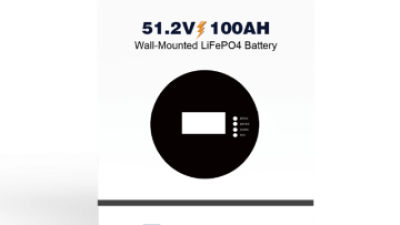
Maximizing Energy Efficiency: The Benefits of 48V 100AH Wall-Mounted LiFePO4 Batteries for Home and Business Use
The modern pursuit of energy efficiency has led to the innovative development of technologies aimed at optimizing power usage in both residential and commercial settings. One such solution is the 48V 100AH wall-mounted LiFePO4 battery. This advanced energy storage system is specifically designed to enhance the efficiency of photovoltaic systems, serving as a reliable storage unit to harness solar energy.
This wall-mounted battery operates with an integrated Battery Management System (BMS), ensuring optimal performance and safety. Its versatility allows it to function in various modes: on-grid, backup, and off-grid. This adaptability makes it an ideal choice for homeowners and businesses aiming to reduce their reliance on conventional energy sources. By storing excess energy generated during peak sunlight hours, users can significantly lower their energy costs and reduce environmental impact, ultimately promoting a sustainable energy future.
In addition to its impressive functional capabilities, the 48V 100AH wall-mounted LiFePO4 battery offers space-saving design, making it suitable for installation in homes or businesses with limited space. Its robust nature and longevity further enhance its appeal, as users can enjoy consistent energy availability without frequent replacements. Embracing such energy storage solutions not only maximizes efficiency but also accelerates the transition towards greener energy practices.
FAQS
: Look at battery capacity, discharge rate, and form factor. These are crucial for performance.
It is measured in amp-hours (Ah). Higher capacity allows longer backup during outages.
A high discharge rate provides instant power. This is vital for server performance during outages.
Lead-acid is cost-effective but shorter-lived. Lithium-ion lasts longer, providing better performance overall.
They provide real-time health data. Notifications about maintenance can prevent unexpected failures.
Lower-priced batteries often underperform and need frequent replacements. Higher-quality options are a better long-term investment.
Initially, yes. But they may degrade quickly, leading to higher costs later on.
The battery’s dimensions and weight are essential. They must fit well within your rack system.
No, consider long-term reliability and efficiency. Poor choices can harm your IT setup significantly.
Choosing a reliable battery can protect against failures. It ultimately impacts system uptime and operational efficiency.
Conclusion
Choosing the right Rack Server Battery is crucial for ensuring the reliability and longevity of your server systems. Understanding the importance of these batteries involves recognizing their role in maintaining operational continuity during power disruptions. Various types of batteries are suitable for rack servers, each with distinct advantages. When making a selection, it’s essential to consider key specifications, including capacity and runtime requirements, to match the power needs of your specific setup.
Evaluating compatibility with existing rack server systems is also vital to ensure optimal performance. Additionally, weighing the cost against performance will help you make an informed investment. Lastly, implementing maintenance tips can greatly enhance the longevity and efficiency of your Rack Server Battery, ensuring that your servers remain operational when needed most.