Picking the right rack battery isn’t something to take lightly if you want things to run smoothly. Whether you’re managing a busy data center or just a small server setup at home, having the right battery can really make a difference. You might want to check out a Battery Server Rack — it holds multiple batteries and gives you that crucial backup power when you need it.
In today’s tech world, we often overlook the importance of a reliable power supply. A lot of folks just pick batteries based on brand names they recognize, but it’s not quite that simple. Things like capacity, how long the battery lasts, and whether it’s compatible with your setup actually matter a lot. Making the right choice when it comes to a rack battery takes some thinking and a bit of research.
Brands like APC and CyberPower definitely have a bunch of options, but they might not be perfect for everyone. That’s why it’s so important to think about what *you* specifically need and how you tend to use your equipment. Finding a good balance between cost and reliability is key. When you pick a solid rack battery, it can help make your system more efficient and cut down on those pesky downtimes. So, take your time, weigh your options, and choose wisely to keep everything running smoothly.
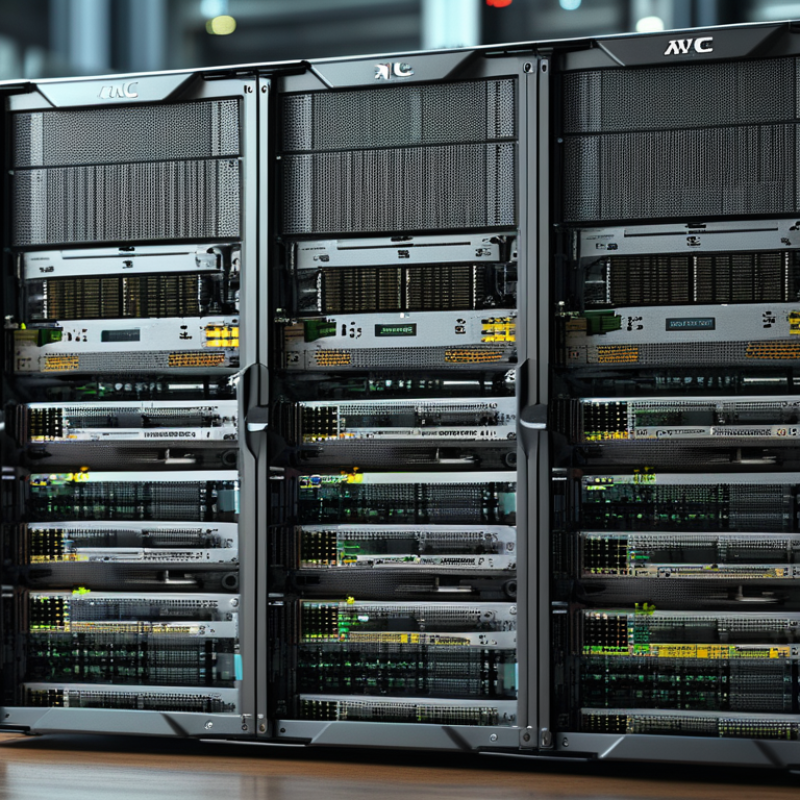
Understanding Rack Battery Types and Their Applications
Choosing the right rack battery can significantly impact your system's performance. Understanding the different types of rack batteries is crucial. Typically, you will encounter lead-acid, lithium-ion, and nickel-cadmium types. Each has its own strengths and weaknesses. Lead-acid batteries are often more affordable and reliable. However, they can be bulky and require regular maintenance. Lithium-ion batteries, while initially expensive, offer longer lifespans and are energy efficient. They take up less space, making them ideal for compact server setups.
Applications vary based on battery type. For instance, if you need a backup for critical servers, a robust lead-acid battery might be suitable. It delivers a stable voltage, making it dependable during outages. On the flip side, if your focus is on energy efficiency and space-saving, a lithium-ion rack battery can enhance your setup. Yet, they may not perform well in extreme temperatures. Always consider the specific needs of your equipment. The choice should reflect your operational demands.
It's also essential to evaluate the maintenance requirements. Some batteries, like lead-acid types, involve regular checks. Others may need periodic software updates for optimal performance. Many users overlook these factors, leading to unforeseen challenges. Always reflect on what fits your environment best.
Assessing Your Power Needs for Rack Batteries
When selecting a rack battery, it’s essential to accurately assess your power needs. Start by determining your energy consumption. Calculate how much power your equipment uses in watts. According to the U.S. Department of Energy, the average server consumes about 500 watts. This figure may fluctuate based on the specific workload. Understanding these details helps identify the appropriate battery capacity.
Consider the runtime you desire during power outages. For instance, if your setup requires 1000 watts and you need backup for two hours, aim for a battery that can provide at least 2000 watt-hours. A study by the Energy Storage Association indicates that optimizing runtime and capacity can significantly increase system efficiency. More power may be needed as network demands grow, making future-proofing necessary.
Lastly, think about scalability and integration. As your operations evolve, your energy needs might also change. Invest in a solution that allows for easy upgrades or expansions. This forward-thinking approach will save costs over time. Remember, even a small miscalculation can lead to inadequate power supply during critical moments, so pay close attention to your assessments.
Power Capacity Comparison of Rack Batteries
This chart displays the power capacity of various rack batteries measured in Ampere-hours (Ah). The data highlights the differences in performance among different models, helping consumers make informed decisions based on their power needs.
Key Features to Consider When Choosing a Rack Battery
Choosing the right rack battery involves understanding your specific needs. Start by evaluating the capacity you require. The capacity is measured in amp-hours and affects how long your battery will last under load. Assess both peak performance and longevity for optimal results.
Weight and space are crucial considerations. A heavier rack battery might offer more power, but it requires stronger support. Check your server room's layout to avoid congestion. Battery dimensions must fit well within your storage system. Ensure proper ventilation to prevent overheating.
Look for safety features. A good rack battery should include protections against overcharging and short circuits. Examine warranties and customer support options. While many batteries appear similar, the differences can impact performance. Don't rush your decision. Take time to reflect on reviews and expert opinions before making a final choice.
Comparing Cost and Value of Different Rack Battery Options
When selecting a rack-mounted battery, cost and value are crucial factors. Reports indicate that the average initial investment for a rack-mounted battery ranges from $2,000 to $5,000. This variation often depends on capacity, technology, and added features. Choosing a cheaper option could save money upfront but might lead to higher long-term costs due to inefficiencies or short lifespan.
The total cost of ownership is another crucial consideration. According to industry data, a rack-mounted battery with a longer warranty can offer better value. Some models feature lifespan improvements, lasting 10-15 years instead of the standard 5-7 years. These details can translate into overall savings. Think about your power needs. A larger capacity may be necessary for high-demand environments, but determining your actual requirements is essential. An oversized battery can lead to wasteful spending.
In addition to costs, evaluate the energy density and efficiency ratings of different rack-mounted batteries. Some batteries provide higher efficiency, converting more stored energy into usable power. However, these options often come at a higher price. Balancing performance with budget constraints requires thoughtful consideration. Reflect on your specific needs, as the best choice often depends on varying factors unique to each situation.
Evaluating Battery Lifespan and Maintenance Requirements
When evaluating battery lifespan for rack batteries, several factors come into play. Typically, a rack battery’s lifespan is measured in cycles. One cycle represents a full discharge and recharge. Longer-lasting batteries generally feature deep-cycle capabilities. This means they can withstand numerous cycles without significant degradation.
Maintenance requirements are equally crucial. Regular checks can extend the life of your battery. Clean terminals prevent corrosion. Ensuring that the battery is stored in a well-ventilated area aids in performance. Some batteries need electrolyte checks, while others operate on maintenance-free principles. Neglecting these aspects can lead to unexpected failures.
Awareness of your specific usage is vital, too. If your batteries are overstressed, they will fail sooner. Not every application requires the highest capacity battery. Reflect on your needs and adjust accordingly. Understanding these factors helps you make an informed choice. Remember, a lack of attention to detail can shorten your battery's lifespan.
Choosing Between New vs. Refurbished Rack Batteries
When considering rack batteries, one significant choice involves deciding between new and refurbished options. New batteries often promise top performance and longevity. Industry data suggests that fresh units can maintain a capacity retention rate of over 80% for the first five years. However, they usually come with a higher price tag, which could be a barrier for many users.
Refurbished batteries can provide a cost-effective alternative. Studies indicate that refurbished batteries can perform comparably to new ones when properly tested and certified. For example, a well-maintained refurbished battery may retain 70% of its original capacity after similar usage periods as new batteries. It is vital to research the refurbishment process. Ensure that the provider has credible certifications and a transparent quality assurance program.
Some drawbacks may arise with refurbished options. Users sometimes report inconsistencies in performance. This raises questions about reliability and long-term viability. Buyers must weigh these risks against the potential savings. Both choices have unique advantages and challenges, so understanding these factors is essential to making an informed decision.
Best Practices for Installation and Usage of Rack Batteries
When installing a 48v Rack Mount Battery, proper placement is crucial.
Locate the battery in a well-ventilated area. Avoid direct sunlight and extreme temperatures. Airflow helps maintain optimal performance. It can prevent overheating or reduced lifespan. Ensure that the rack is sturdy enough to support the weight.
Wiring connections are also vital. Use quality cables and secure connections. This minimizes the risk of shorts or failures. Double-check polarity to prevent damage.
It’s beneficial to label wires for easy identification during maintenance. Regularly inspect the battery for any signs of corrosion or wear.
Proper usage extends battery life. Monitor charging cycles and avoid deep discharges. Aim for a balanced charge whenever possible. Users often overlook the importance of routine maintenance. Simple checks can reveal potential issues before they escalate. Document your findings to track performance trends.
FAQS
: The average cost ranges from $2,000 to $5,000 based on capacity and features.
It considers long-term savings versus initial investment, influencing overall battery value.
Standard lifespan is 5-7 years, while some can last 10-15 years with better warranties.
Assess your actual power needs. Oversized batteries may lead to unnecessary spending.
Yes, refurbished batteries can perform similarly to new ones if properly tested and certified.
New batteries generally maintain over 80% capacity for the first five years.
Users may experience performance inconsistencies, raising concerns about reliability.
Higher efficiency batteries convert more energy, but often come at a higher price.
A credible and transparent quality assurance program ensures better performance of refurbished batteries.
Weigh the costs, potential performance, and your specific needs before deciding.
Conclusion
Choosing the best rack battery involves several critical considerations to ensure it meets your specific power needs effectively. First, it's essential to understand the various types of rack batteries and their applications, as this knowledge sets the foundation for your selection process. Assessing your power requirements accurately helps to narrow down suitable options and ensures that the chosen battery can support your systems efficiently.
Key features to consider include the capacity, efficiency, and discharge rates of the rack battery. Additionally, comparing the cost and value of different options will aid in making a budget-conscious decision. Evaluating the lifespan and maintenance requirements of the battery is also crucial, as it impacts long-term operational costs. When contemplating new versus refurbished batteries, weigh the potential savings against reliability. Finally, following best practices for installation and usage will maximize performance and longevity of your rack battery, ensuring a dependable power supply for your needs.