Picking the right Rack Mounted Battery is a pretty big deal when it comes to making sure everything runs smoothly and reliably these days. John Smith over at Power Solutions Inc. puts it nicely: "Choosing the right battery can really make or break your uptime." The market’s full of options, each with their own specs, so it’s really important to understand what your specific power needs are.
Not all rack-mounted batteries are the same. Some focus on packing in more energy, while others are better for long-term use through more cycles. It’s worth taking the time to really think about what you need—because a battery with not enough capacity will cause trouble, but going way overboard can just waste your money.
Also, don’t forget to check out different techs, like Lithium-Ion or Lead-Acid. They each come with their own pros and cons. Make sure to consider your facility’s energy demands, existing setup, and space limitations too. A wrong pick can lead to headaches and logistical messes down the line. So, doing your homework and making an informed choice will pay off by making your system work better and last longer.

Understanding the Importance of Rack Mounted Batteries
Rack mounted batteries play a critical role in various applications. These systems provide reliable power for equipment in data centers, telecommunications, and renewable energy systems. Understanding their importance helps in choosing the right battery for specific needs.
The significance of rack mounted batteries lies in their efficiency and space-saving design. They fit standard rack sizes, enabling organized setups. Efficient energy storage reduces downtime during power failures. However, many users overlook maintenance needs, impacting performance. Regular checks on charge levels and connections are essential.
Different environments require different power capacities. Assessing energy demands prevents overloading or underutilizing the battery. Many factors influence battery choice, such as operating temperature and usage intensity. A Rack Mounted Lithium Battery may suit high-demand situations due to its longevity and quick charging attributes. Still, the initial cost can be a concern. Balancing budget and performance is crucial in making informed decisions.
Evaluating Your Power Requirements for Rack Mounted Solutions
When evaluating power requirements for rack mounted solutions, begin by assessing your energy consumption. Identify all devices that will be connected to the battery. Calculate the total wattage needed for optimal performance. Each device will have a specific power rating. It’s crucial to add some extra capacity for growth and unexpected demands. This practice helps avoid outages caused by an underpowered battery.
Another important factor is runtime. Determine how long you need the system to operate during a power outage. Longer runtimes generally mean larger batteries. This can increase cost and space requirements. It's vital to balance your budget with your needs. Sometimes, users underestimate their actual consumption and runtime needs, leading to frustration later. Regularly review and adjust your requirements as your setup evolves.
Consider the efficiency of the battery as well. Some technologies offer better performance for specific applications. Look into different options, such as VRLA or lithium-ion batteries. Each has its pros and cons. A thorough understanding will help you make informed choices. Testing various configurations can reveal discrepancies in expected performance. It’s a thoughtful process that requires evaluation and a willingness to adapt.
Types of Rack Mounted Batteries Available on the Market
Rack mounted batteries come in various types, each designed for specific applications. Lead-acid batteries are well-known for their reliability and cost-effectiveness. However, they require regular maintenance and have a limited lifespan, typically around 3 to 5 years. According to industry reports, these batteries still hold a significant market share, primarily due to their lower initial cost and widespread availability.
Lithium-ion batteries are gaining traction in the market. They offer a longer lifespan, often exceeding 10 years, and require much less maintenance compared to lead-acid options. Their energy density is notably higher, allowing for more compact designs. A report from the International Battery Association indicated that lithium-ion batteries are expected to represent over 60% of the energy storage market by 2025. This shift may reflect both technological advancements and customer preferences for efficiency and longevity in applications like data centers and telecom systems.
Other options include nickel-cadmium and flow batteries. Nickel-cadmium batteries perform well in extreme temperatures but come with environmental concerns. Flow batteries, while still emerging, promise scalability and long cycle life. The challenge remains their high initial cost, which can deter some users. Evaluating these options requires careful consideration of specific needs, budget constraints, and future energy demands.
Key Features to Consider When Choosing a Rack Mounted Battery
When selecting a rack-mounted battery, key features must be evaluated to meet specific needs. Capacity is crucial. Typically measured in amp-hours (Ah), capacity indicates how much energy the battery can store and deliver. According to industry reports, a higher capacity translates to longer run times, which is vital for applications requiring sustained power. For instance, a rack-mounted battery with a capacity of 200 Ah can power essential equipment for extended periods.
Another significant aspect is the battery type. Lithium-ion batteries are often preferred for their efficient performance and longevity. These batteries have a cycle life between 2000 and 5000 cycles, according to various studies. In contrast, lead-acid batteries generally last only 500 to 1500 cycles. This discrepancy highlights the importance of lifecycle cost considerations when investing in a Rack-Mounted Ess Battery.
Compatibility and integration features must also be analyzed. Compatibility with existing systems can prevent costly and time-consuming modifications. Organizations often overlook this aspect, leading to inefficiencies. It is crucial to assess whether the rack-mounted battery can easily integrate with various inverters and energy management systems already in use. This will enhance overall performance and reliability in energy delivery.
How to Choose the Right Rack Mounted Battery for Your Needs?
| Feature |
Description |
Importance Level |
| Capacity (Ah) |
The total energy storage capability of the battery, measured in Ampere-hours. |
High |
| Voltage (V) |
The operational voltage of the battery, crucial for compatibility with your system. |
High |
| Chemistry |
The type of battery chemistry (e.g., Lithium-ion, AGM, Lead-acid) affects performance and lifespan. |
Medium |
| Form Factor |
The physical dimensions and weight, which determines how easily it can fit into a rack. |
Medium |
| Cycle Life |
Number of charge and discharge cycles before significant capacity loss occurs. |
High |
| Warranty |
The length of time the manufacturer guarantees the battery’s performance. |
Medium |
| Temperature Range |
The operational temperature range can affect performance and lifespan. |
Medium |
| Safety Features |
Built-in protections against overcharging, short-circuiting, and thermal runaway. |
High |
Assessing Compatibility with Existing Rack Systems
When exploring the compatibility of rack-mounted batteries, compatibility with existing systems is crucial. According to a report by the International Energy Agency, nearly 80% of energy storage applications face integration challenges. Understanding these complexities can help avoid costly modifications. Assessing the physical dimensions and weight of a battery is a vital first step. A mismatch could result in structural issues or inefficient use of space.
Evaluating electrical specifications is just as important. Voltage and current capacity must align with current rack configurations. Industry data indicates that approximately 65% of system failures stem from incompatible electrical components. It's essential to conduct a thorough compatibility assessment to ensure safe and efficient operation. The Bess Rack-Mounted Lifepo4 Battery is notable for its standardized electrical outputs, making it easier to integrate into various systems.
Before making a decision, consider your current load requirements. A battery that is too powerful can lead to wasted energy and increased costs. Conversely, an underpowered option can hamper performance. Regularly reviewing your system's demands and battery performance can inform future upgrades. Compatibility may not always be perfect, and ongoing assessments are key to maintaining operational efficiency.
Budgeting for Your Rack Mounted Battery Solution
When budgeting for a rack-mounted battery solution, it's essential to start by defining your specific needs. Consider the scale of your installation. A small-scale operation may only require a modest investment, while larger setups will need more robust solutions. Researching various options can lead to better long-term savings. For instance, a 48v 50ah Rack-Mounted Lithium Battery provides significant energy storage without occupying excessive space. This efficiency can translate into lower operational costs.
Evaluate the total cost of ownership, not just the upfront price. Look into maintenance expenses and warranties. While a cheaper option may seem appealing, factor in potential additional costs. Investing in a quality unit, like the previously mentioned battery, often secures better performance and longevity. Be wary of options that lack clear specifications or reviews.
Also, keep an eye on market trends. Prices fluctuate, and staying updated can mean significant savings. Actively exploring reviews and expert opinions can guide you to reliable choices. Balancing cost with quality is not always straightforward; it requires diligence and awareness of one’s specific requirements. A well-planned budget today can ensure a more efficient energy solution tomorrow.
Maintenance and Longevity Considerations for Rack Mounted Batteries
When selecting rack mounted batteries, maintenance plays a critical role in ensuring longevity. Regular checks on battery terminals are essential. Corrosion can accumulate, leading to conductivity issues. Cleaning them thoroughly prevents unexpected downtime. It is important to follow the manufacturer's guidelines on cleaning frequency based on usage and environment.
Temperature is another key factor affecting battery performance. Extreme heat can accelerate wear, while excessive cold may reduce efficiency. Ideally, keep your batteries in a climate-controlled space. Scheduling routine inspections can catch issues early. Visual inspections can help identify physical damage that might go unnoticed initially.
Monitoring battery cycles and keeping a log can be beneficial. It allows you to track performance trends and anticipate replacements. Not all batteries age at the same rate. Some may show signs of wear sooner than expected. A proactive approach to maintenance may help you avoid more costly problems down the line. Recognizing when to replace a battery is crucial for reliable operation.
Comparison of Rack Mounted Battery Capacities and Longevity
Optimizing Energy Solutions: The Benefits of 48V 200Ah Wall-Mounted LiFePO4 Batteries from Reliable Chinese Manufacturers
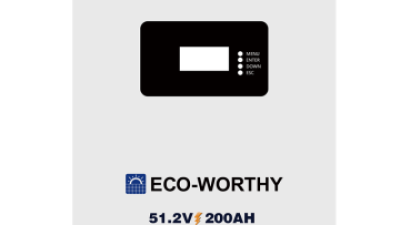
The demand for efficient energy storage solutions is rapidly increasing as more households and businesses transition to renewable energy sources. The 48V (51.2V) 200Ah wall-mounted LiFePO4 battery emerges as a leading option, engineered by advanced manufacturing processes in China. With its premium A-Grade LiFePO4 cells, this battery offers a remarkable cycle life of over 6,000 discharges, significantly enhancing the longevity and reliability of energy storage systems. According to industry reports, LiFePO4 batteries demonstrate a higher thermal stability, making them safer and more efficient for long-term use compared to traditional lead-acid batteries.
Incorporating state-of-the-art technology, the 48V 200Ah wall-mounted LiFePO4 battery provides integrated WiFi and Bluetooth connectivity. This feature allows users to monitor and manage their energy consumption remotely through a dedicated mobile app, making it a user-friendly solution for both residential and commercial applications. The ability to access real-time data on battery performance and energy usage empowers users to optimize their energy systems, ultimately contributing to cost savings and enhanced energy efficiency.
As industries worldwide face the challenges of rising energy costs and environmental regulation, the adoption of innovative storage solutions like the 48V wall-mounted LiFePO4 battery is becoming increasingly vital. Reports suggest that utilizing such efficient energy storage systems can improve the overall performance of solar energy installations and backup solutions, positioning them as foundational components of modern energy management strategies.
FAQS
: They provide reliable power for data centers, telecommunications, and renewable energy systems.
Their space-saving design fits standard racks, leading to organized setups and efficient energy storage.
Regular checks on charge levels and connections are essential to maintain performance and avoid downtime.
They usually have a lifespan of 3 to 5 years, but require significant maintenance.
They have a longer lifespan of over 10 years and require less maintenance than lead-acid batteries.
Extreme temperatures can accelerate wear and reduce efficiency, so storage in a climate-controlled space is recommended.
It can lead to conductivity issues and unexpected downtime, making cleaning and regular checks vital.
Keeping a log of battery cycles helps monitor trends and anticipate replacements.
Their high initial cost can deter some users, despite other advantages they may offer.
It helps avoid costlier problems later and ensures reliable operation when power is needed most.
Conclusion
When selecting a Rack Mounted Battery, it's essential to understand its significance in ensuring reliable power for your systems. Start by evaluating your specific power requirements to determine the right capacity and configuration. Various types of Rack Mounted Batteries are available, each with unique features that cater to different applications. Key considerations include energy density, weight, and thermal management to ensure maximum efficiency.
Additionally, assess the compatibility of the battery with your existing rack systems to avoid any installation issues. Budget is another critical factor, as prices can vary significantly based on specifications and features. Lastly, consider maintenance practices and the expected longevity of the battery to ensure a good return on investment. By carefully analyzing these factors, you can choose the best Rack Mounted Battery that fits your needs and enhances your operational reliability.