In today’s fast-moving business world, having reliable energy storage options is more important than ever. One cool tech that’s been catching people’s attention lately is the Rack Mount Lithium Battery. These batteries pack quite a punch, making them super versatile for all sorts of uses. For example, companies like PowerTech Solutions are already jumping on board, using these systems to boost their efficiency and keep things running smoothly.
What’s nice about rack mount lithium batteries is how easy they are to install and maintain. They’re usually pretty compact, which is a huge plus if you’re tight on space in your server room. But, here’s the thing: before you go all-in, it’s smart to consider what your actual energy needs are. Not every business or setup requires a massive, high-capacity battery. Picking the right size and model can really make a difference in performance and how long they last.
Of course, like any tech, there are pros and cons. The upfront cost can be a bit steep, so it’s worth weighing that against potential long-term savings. Keeping an eye on evolving tech trends and market shifts can also help you make smarter decisions. All in all, just taking these points into account can help your business get the most bang for its buck when investing in energy storage solutions.
Benefits of Rack Mount Lithium Batteries for Businesses
Businesses are increasingly turning to rack mount lithium batteries for their energy needs. These batteries offer various advantages that can streamline operations. According to a report by the Battery University, lithium-ion batteries provide a higher energy density compared to traditional lead-acid batteries. This improves energy efficiency and reduces the overall footprint in server racks.
The usage of rack mount lithium batteries leads to cost savings. A study published by the International Energy Agency indicates that businesses can save up to 30% on energy costs by adopting lithium technology. Their longer lifespan, which can be up to 10 years, decreases replacement frequency and associated costs. Additionally, they require less maintenance, allowing teams to focus on core business tasks.
Choosing the right battery system can be daunting. Assess your power needs thoroughly. Knowing the energy requirements of your equipment is crucial. Ensure that the
Lithium Battery Rack Mount
you select can meet peak demands. Investigate different manufacturers to compare efficiency and capacity. A well-informed decision can protect your investment and optimize growth potential.
Key Features of Rack Mount Lithium Battery Systems
Rack mount lithium battery systems offer significant advantages for modern businesses. These systems are designed for efficiency and high performance. They typically require less space compared to traditional batteries, making them ideal for dense server environments. According to a recent report by the International Energy Agency, rack mount lithium batteries can improve energy density by up to 50% compared to lead-acid batteries. This allows businesses to save valuable space while maintaining robust power solutions.
The reliability of a 48v Rack Mount Lithium Battery system is another key feature. Lithium technology offers a longer lifespan, typically lasting up to 10 years or more. This is significantly longer than lead-acid options. Maintenance costs are also reduced. A study by the Battery University highlighted that lithium systems have lower overall costs due to infrequent maintenance needs. Additionally, these battery systems offer faster charging times. Businesses can get their systems up and running quickly with minimal downtime.
However, implementing rack mount lithium batteries can come with challenges. The initial investment is often higher than traditional batteries. This can be a concern for smaller businesses operating on tight budgets. Companies need to weigh the long-term benefits against upfront costs. Despite these hurdles, the trend toward lithium technology continues to grow. As energy demands rise, the effectiveness of 48v rack mount lithium battery systems becomes increasingly apparent.
Comparing Rack Mount Lithium Batteries to Traditional Power Solutions
When comparing rack mount lithium batteries to traditional power solutions, several factors come into play. Rack mount lithium batteries offer a significant advantage in terms of energy density. They provide more power in a smaller form factor, making them ideal for data centers and other space-constrained environments. Traditional batteries often take up more space and may require additional ventilation. This can complicate layout and design.
Another aspect is the lifespan. Lithium batteries typically have a longer lifespan compared to conventional lead-acid batteries. This translates to fewer replacements and less downtime. However, it’s essential to consider that lithium technology can be costlier upfront. Energy savings can offset this expense over time, encouraging businesses to evaluate long-term benefits.
Tips: Evaluate your specific energy needs. Consider the actual power requirements of your equipment. Additionally, look into the efficiency ratings of different battery types. Understanding these metrics can help inform your decision. Remember that regular maintenance is crucial for all power solutions. Neglecting this aspect can lead to unexpected failures.
Cost-Effectiveness of Rack Mount Lithium Batteries in Long-Term Use
Rack mount lithium batteries have gained traction in many businesses due to their cost-effectiveness over time. Reports indicate that companies can save up to 30% on energy costs compared to traditional lead-acid batteries. The longer lifespan of these batteries, often exceeding 10 years, contributes significantly to these savings. Additionally, their efficiency in energy storage allows businesses to minimize waste and reduce operating costs.
Flexibility is another notable feature. Businesses can easily scale their energy storage with 48v rack mount batteries. This adaptability ensures that companies only pay for what they need. However, the initial investment may still raise concerns. While lithium batteries generally require a higher upfront cost, the return on investment (ROI) justifies this expense in the long run. Industry data suggests that, over a period of about five years, companies often break even due to reduced maintenance and replacement expenses.
Despite these benefits, some concerns remain. Not all facilities may require the energy density that lithium batteries provide. There is also the challenge of integrating new systems with existing infrastructure. Businesses may need to conduct thorough assessments to recognize if this transition is the best option for their specific needs. Thus, careful consideration of both pros and cons is vital before committing to using a 48v Rack Mount Battery.
Applications and Industries Benefiting from Rack Mount Lithium Batteries
Businesses across various sectors are increasingly recognizing the advantages of rack mount lithium batteries. These batteries are particularly beneficial in applications like telecommunications, data centers, and renewable energy storage. In telecommunications, they provide reliable backup power, ensuring uninterrupted service. For data centers, their compact size and efficiency help optimize space while enhancing performance.
With renewable energy systems, rack mount lithium batteries store power from solar and wind sources. This storage capability is crucial during low production periods, enabling businesses to maintain operations. Moreover, their lightweight design makes installation easier. Many companies find that transitioning to these systems reduces energy costs over time.
Tips: Consider the specific needs of your business when choosing a Rack Mount 48v Battery. Assess the size and weight requirements relevant to your facilities. Regular maintenance checks can enhance the battery's lifespan and performance. It's also wise to stay updated on advancements in battery technology for improved efficiency.
Installation and Maintenance Considerations for Rack Mount Systems
When considering rack mount lithium battery systems, installation and maintenance are crucial. Proper installation ensures reliability and efficiency. Firstly, you need ample space for airflow. Overheating can damage the batteries. It's advisable to place the rack in a temperature-controlled environment. This helps maintain optimal battery performance.
Maintenance is equally important. Check connections regularly to prevent corrosion. Dust can build up, affecting airflow. Keep the system clean and organized. This can prolong battery life. However, it's important to remember that even with good practices, issues can arise. Regularly scheduled inspections can catch problems early. Battery management systems can help monitor health and performance as well.
Finally, keep in mind that all systems have limitations. Understanding these will help in effective decision-making. Consider the total load required and the duration of backup needed. Each installation presents unique challenges that may require adjustments. Regular reflection on system performance can lead to better setups in the future.
Future Trends in Rack Mount Lithium Battery Technology and Usage
The future trends in rack mount lithium battery technology indicate a significant shift towards increased efficiency and sustainability. According to a report by MarketsandMarkets, the lithium-ion battery market is projected to grow from $36.7 billion in 2020 to $45.1 billion by 2025. This growth is driven by the rising demand for energy storage solutions across various industries. Rack mount systems benefit from this trend, offering better space management and power density compared to traditional methods.
In addition, new manufacturing techniques are enhancing lithium battery performance and longevity. For instance, advancements in solid-state battery technology promise improved safety and energy density. The National Renewable Energy Laboratory highlights that these batteries could extend usage time by 25% and reduce charging times significantly. However, the transition to such technologies is not without challenges. Issues related to cost and scalability remain critical considerations for businesses.
Moreover, integrating advanced battery management systems can improve reliability. These systems monitor battery health and optimize performance, as noted by the International Energy Agency. While efforts are underway, companies must remain cautious. Balancing cost, efficiency, and environmental impact is crucial. Overall, understanding these trends can position businesses favorably in an increasingly energy-conscious landscape.
Maximize Energy Efficiency with 48V 200Ah Stackable Lithium Iron Phosphate Batteries: A Smart Storage Solution for Your Needs
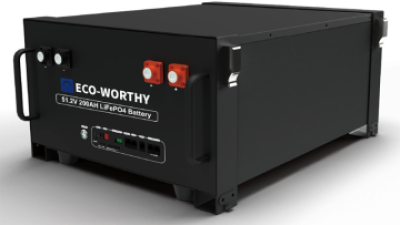
The demand for efficient energy storage solutions is on the rise, particularly as more consumers and businesses transition to renewable energy sources. The 48V 200Ah Stackable Lithium Iron Phosphate (LiFePO4) battery offers an innovative approach to energy management that aligns with current trends in sustainability and energy independence. According to industry reports, the global market for lithium-ion batteries is expected to reach USD 91 billion by 2026, highlighting the growing commitment to cleaner energy solutions. This stackable battery not only maximizes energy efficiency but also provides the flexibility to scale up as energy needs change, accommodating storage capacities from 10.24 kWh to an impressive 153.6 kWh.
One of the standout features of this battery is its user-friendly monitoring capabilities through Bluetooth and WiFi. This ensures that users can easily track their energy usage and battery status in real time, enhancing overall efficiency. Safety remains paramount, as this battery is designed to work seamlessly with a variety of inverter systems, facilitating a straightforward installation process. Furthermore, with an impressive lifespan of up to 20 years and over 6000 cycles, investing in such a storage solution is not only a smart move for energy independence but also a financially sound decision in an increasingly eco-conscious market. As companies and homeowners alike look for reliable energy storage options, technologies like the 48V 200Ah stackable battery represent the forefront of energy efficiency innovation.
FAQS
: They are efficient, high-performing, and save space compared to traditional batteries.
These batteries can last up to 10 years or more, longer than lead-acid options.
The initial investment may be higher, which can be a concern for smaller businesses.
They are advantageous in telecommunications, data centers, and renewable energy storage.
Placement in a temperature-controlled environment prevents overheating and enhances reliability.
Regularly check connections, clean dust, and maintain airflow to prolong battery life.
Many businesses find that these systems reduce energy costs over time due to efficiency.
Assess the specific size, weight, and energy needs relevant to their facilities.
They help monitor health and performance, catching issues early for proactive maintenance.
Yes, understanding load requirements and backup duration is crucial for effective installation.
Conclusion
Rack Mount Lithium Batteries offer significant advantages for businesses by providing a reliable and efficient power solution. These systems are designed to be space-saving and easily integratable into existing infrastructure, making them ideal for various applications. Key features include lightweight design, high energy density, and modular scalability, which allow businesses to customize their power needs. When comparing Rack Mount Lithium Batteries to traditional power solutions, companies often find them to be more cost-effective in the long run due to lower maintenance costs and longer lifespans.
Furthermore, the growing applications of Rack Mount Lithium Batteries span across diverse industries, including IT, telecommunications, and renewable energy sectors. However, organizations should consider installation and maintenance aspects to ensure optimal performance. As technology advances, future trends indicate an increased adoption of these systems, fostering greater efficiency and sustainability in power management for businesses.