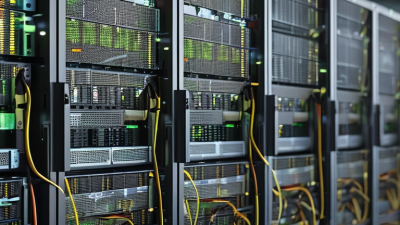
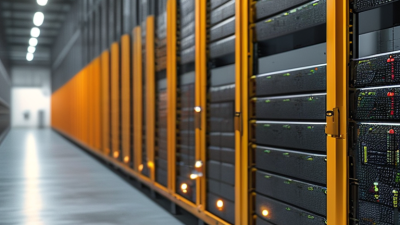
In today’s fast-changing energy world, picking the right energy storage solution is more important than ever. A Battery Server Rack really stands out as a solid option for many businesses out there. As Dr. Emily Johnson from EcoTech Solutions puts it, “The right battery setup can truly change the game for how you manage energy.” That really underscores how crucial it is to choose a reliable and fitting configuration.
Battery Server Racks give you a lot of flexibility and can be super efficient when it comes to storing energy. They help companies optimize their energy use and cut costs in the process. They’re especially great for data centers and big facilities because their modular design means you can easily expand them as your energy needs grow—so they’re kind of future-proof in a way.
That said, not every Battery Server Rack is one-size-fits-all. Things like space constraints and specific energy requirements need to be thought through. Sometimes, companies run into hiccups with integrating the racks or scaling them up as needed. Taking the time to reflect on these challenges can really help in making smarter choices down the road. Finding the perfect battery solution is a bit of a journey—it’s all about careful thought and ongoing evaluation, you know?
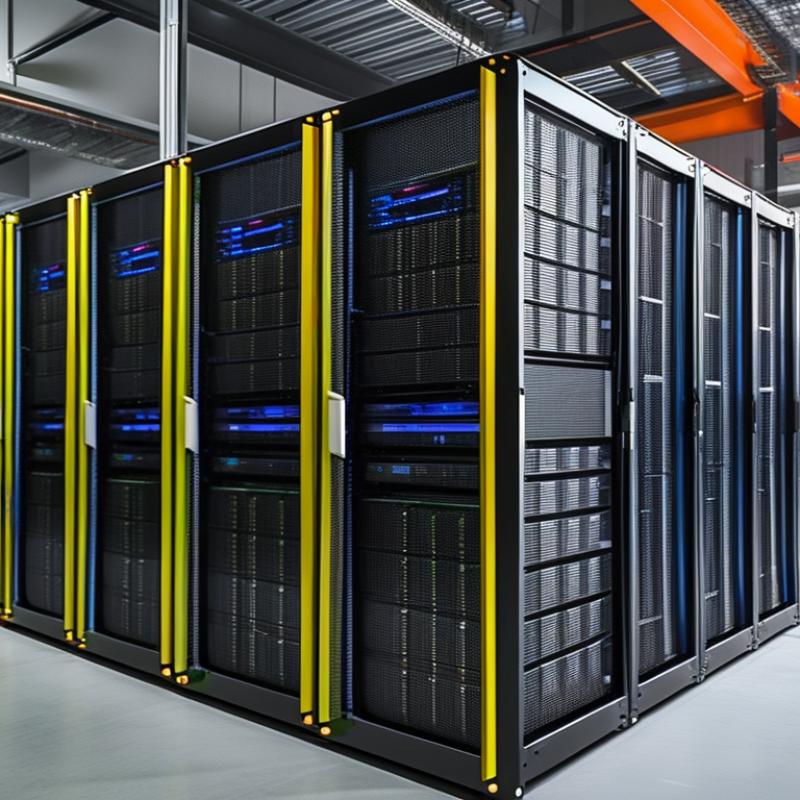
Understanding Battery Server Racks and Their Functionality
Battery server racks are pivotal for modern energy storage systems. They provide a structured way to house multiple batteries, optimizing space and enhancing cooling efficiency. The functionality includes supporting battery management systems and ensuring system reliability. According to a recent market analysis by RNCOS, the global battery storage market is expected to reach $300 billion by 2026, underscoring the rising demand for effective energy solutions.
Security is another crucial aspect of battery server racks. They offer fire resistance and thermal management, which are vital for the performance of lithium-ion batteries. The National Fire Protection Association highlights that proper storage can reduce fire risks significantly. Many installations, however, fail to prioritize these aspects, often overlooking the importance of cooling solutions that can maintain optimal temperatures.
Tip: Regularly inspect battery connections and cooling systems to ensure optimal performance.
The choice of materials in a rack can also affect longevity and safety. High-quality racks may come at a premium but can offer better shock resistance. Some installations cut costs on materials, but this compromise can lead to premature wear or failure.
Tip: Invest in robust racks to avoid future risks.
With proper understanding, battery server racks can be an excellent investment for energy storage needs. They are more than just support structures; they are integral to energy efficiency and safety.
Key Advantages of Using Battery Server Racks for Energy Storage
When considering energy storage solutions, a battery server rack offers unique benefits. These racks are designed to optimize space and enhance organization. They provide a structured housing for batteries, helping to prevent damage. With a Server Rack Battery, users can ensure safety and longevity through proper ventilation and heat management.
Efficient energy storage scales easily with battery server racks. These setups allow for modular upgrades, letting users add or replace batteries as needed. Flexibility is crucial in modern energy needs. Moreover, a well-organized battery system streamlines maintenance. Regular checks become simpler when components are neatly arranged.
However, the initial setup can be a challenge. Proper installation requires attention to electrical configurations and compatibility. Users may face trial and error before finding the perfect fit. Some may discover they need expert advice to ensure optimal performance. Despite these challenges, the long-term advantages of a server rack battery in enhancing accessibility and usability are often worth the effort.
Why Choose a Battery Server Rack for Your Energy Storage Needs? - Key Advantages of Using Battery Server Racks for Energy Storage
| Advantage |
Description |
Impact on Energy Storage |
| Space Efficiency |
Battery server racks can maximize vertical space, accommodating more energy storage units in a smaller footprint. |
Improves overall facility space utilization, reducing infrastructure costs. |
| Scalability |
Easily expandable to add more battery units as energy needs increase. |
Allows for flexible energy storage management to meet growing demand. |
| Enhanced Cooling |
Designed for effective airflow and thermal management, helping maintain optimal battery performance. |
Prolongs battery life and reduces risk of overheating incidents. |
| Modular Design |
Allows integration of different battery technologies and configurations. |
Provides flexibility to adapt to various applications and technologies. |
| Cost-Effective |
Reduces installation and maintenance costs through streamlined design. |
Decreases overall expenditure over the lifespan of the energy storage system. |
Essential Features to Look for in a Battery Server Rack
When selecting a battery server rack for energy storage, focus on essential features. A robust design is crucial.
The material should endure heavy use and maintain stability. Quality racks often incorporate steel construction, which offers durability.
Look for customizable options that allow you to adjust the layout based on your specific needs. Flexibility in design ensures your system can grow.
Heat management features are another critical aspect. Effective ventilation prevents overheating, which can damage batteries.
Some racks include built-in cooling systems or fans. A proper cooling mechanism not only extends battery life but enhances safety as well.
Consider monitoring capabilities too. Advanced racks offer sensors to track battery health and performance.
Weight capacity is vital as well. It’s important to choose a rack that can support your battery storage without risk of failure.
Some racks may claim high capacity but fall short under real-world conditions. Assess warranty and support services too.
Reliable manufacturers provide technical support, which can be invaluable post-purchase.
Investing time to understand these features will ensure your Server Battery Rack meets your energy storage needs effectively.
Comparing Battery Server Racks with Traditional Energy Storage Solutions
When it comes to energy storage, the choice of equipment significantly impacts efficiency and performance. Battery server racks stand out compared to traditional systems. For example, a Server Rack Battery 48v can offer a streamlined solution. These racks allow for better organization and easier management of multiple battery units.
Traditional energy storage solutions often require more space and involve complex installation. In contrast, the compact design of battery server racks saves valuable floor space. They are easier to scale, making upgrades straightforward and cost-effective. Users must remember maintenance requirements, as those can differ between systems. A server rack’s centralized layout can simplify troubleshooting. However, it may require initial adjustments to a facility's infrastructure.
Choosing a battery server rack does come with considerations. While the efficiency gains can be significant, potential users should assess their specific needs. Not every setup will benefit from a Server Rack Battery 48v. Understanding individual requirements and constraints is crucial. Balancing efficiency with practical implementation is a necessary reflection for anyone looking to invest in energy storage technology.
Installation and Maintenance Considerations for Battery Server Racks
Installing a battery server rack requires careful planning. Assess your space and equipment needs before installation. According to the International Energy Agency, energy storage capacity is projected to increase significantly in the next decade. This growth makes proper setup essential for efficiency. Ensure the rack can support your battery's weight and dimensions. Most installations recommend at least a 1-meter clearance around the rack for airflow.
Regular maintenance is crucial for long-term performance. The Battery Industry Association suggests inspecting connections and battery health every six months. Look for signs of corrosion, loose wires, or leaks. Addressing these issues early can prevent more significant problems. Consider documenting maintenance activities for reliability.
Tips: Use proper ventilation to avoid overheating. A cool environment extends battery life. Check your power management settings regularly to optimize performance. It is also important to have a contingency plan. Unexpected outages can occur; always be prepared with backup protocols.
Applications of Battery Server Racks in Various Industries
Battery server racks are transforming energy storage across industries. In manufacturing, they provide reliable backup power. This ensures minimal downtime during outages. A steady energy supply boosts productivity. Companies can focus on operations, not power issues. Distribution centers also benefit from battery server racks. They manage peak loads effectively, reducing energy costs.
In telecommunications, battery server racks play a crucial role too. They maintain the integrity of data centers. A consistent power supply is vital for network reliability. Companies opt for the 48v Server Rack Battery for its optimal performance. It offers high energy density and longer life. As a result, these systems are increasingly vital in healthcare facilities. Hospitals rely on uninterrupted power for emergency systems.
Yet, challenges exist with battery server racks. Initial costs can be high. Proper maintenance and monitoring are essential for longevity. It's crucial to conduct regular assessments. Companies must ensure that their energy storage solutions are efficient and reliable. Understanding these facets can lead to better decision-making. Each industry will find unique ways to leverage battery server racks.
Future Trends in Battery Server Rack Technology and Energy Storage
The future of battery server rack technology is shaping up to be dynamic and impactful. As energy storage becomes more critical, advancements are on the horizon. One emerging trend is the integration of artificial intelligence for monitoring and management. AI can optimize performance, allowing for predictive maintenance and enhanced efficiency in energy usage. This connectivity is a double-edged sword, potentially causing reliance on technology that may fail.
Another trend involves modular designs. These innovative configurations can adapt to changing energy demands. Modular racks allow for easy expansion, supporting scalability for various applications. However, this flexibility must be balanced against the complexity it introduces in installation and maintenance processes. As racks become increasingly sophisticated, ensuring reliable user support becomes essential.
Sustainability remains a vital focus in future developments. Manufacturers are exploring environmentally friendly materials and recycling practices for older batteries. However, the challenge lies in balancing performance with ecological responsibility. Striking this balance is a complex task that requires ongoing evaluation of manufacturing processes and technologies. The evolving landscape of battery server racks will demand both innovation and careful consideration of their environmental impact.
Future Trends in Battery Server Rack Technology and Energy Storage
FAQS
: Focus on a robust design and durable materials. Steel construction can enhance stability and longevity.
Effective ventilation prevents overheating that can damage batteries. Built-in cooling systems can extend battery life.
Choose a rack that safely supports your battery's weight. Some racks may not perform well under real-world conditions.
Inspect connections every six months. Look for corrosion, loose wires, and leaks to avoid major issues.
Proper planning and spacing ensure efficiency. Maintain at least 1 meter of clearance for airflow around the rack.
Industries like manufacturing, telecommunications, and healthcare rely on them for reliable backup power and uninterrupted service.
Initial costs can be high, and ongoing maintenance is necessary. Regular assessments help ensure reliability.
Documenting maintenance activities builds reliability. It allows for tracking issues and ensuring consistent performance.
Yes, they manage peak loads efficiently, which can lower overall energy expenses in distribution centers.
Assess your space and equipment needs. Ensure compatibility with the rack’s dimensions and weight capacity.
Conclusion
Battery Server Racks are becoming increasingly vital in the realm of energy storage due to their unique functionality and advantages over traditional solutions. They are designed to optimize space and efficiency, allowing for better organization and management of battery systems. Key advantages include enhanced scalability, improved safety features, and ease of maintenance, making them suitable for diverse applications across various industries.
When considering a Battery Server Rack, essential features such as thermal management, modular design, and robust construction are crucial. The landscape of energy storage is evolving, with future trends pointing towards increased integration of smart technology and sustainability. The adoption of Battery Server Racks will play a significant role in meeting the demands of modern energy systems, ensuring reliability and efficiency for years to come.