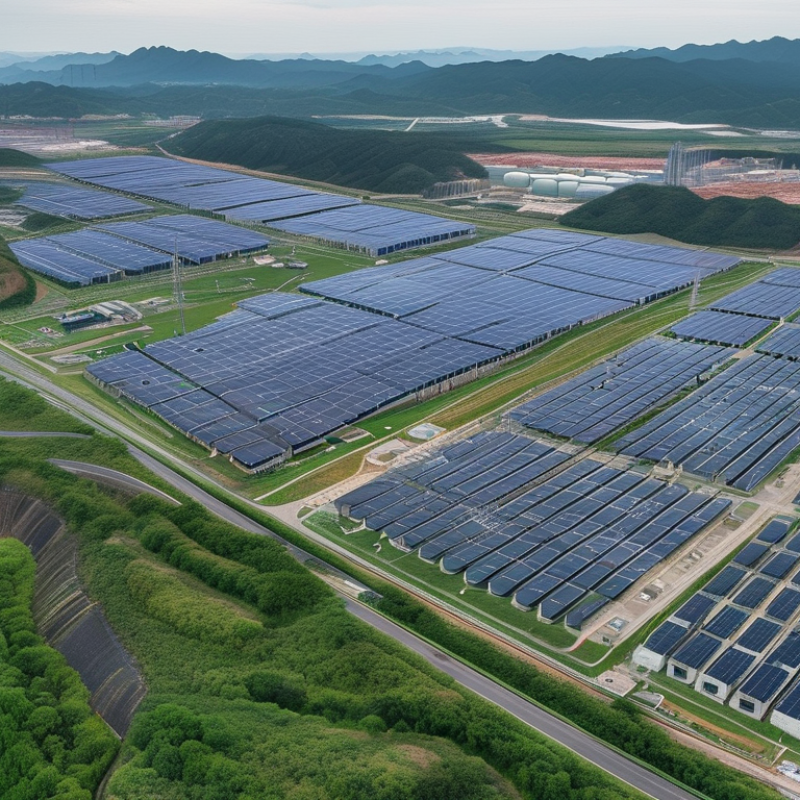
You know, China is really stepping up as a major player in the global market for LFP Lithium Batteries. Big names like CATL and BYD are leading the charge, pushing innovation and ramping up their manufacturing game. I was chatting with Dr. Lisa Zhang, a pretty well-known expert in battery tech, and she mentioned something interesting — she says that China's progress in LFP Lithium Batteries could actually shape the future of sustainable energy. Pretty exciting stuff, right?
Anyway, the demand for these batteries is definitely on the rise. People love them because they’re safe and last a long time. As a result, buyers around the world are on the lookout for trustworthy suppliers. And guess what? Chinese companies are really stepping up to meet this demand, focusing hard on quality and efficiency. Of course, it’s not all smooth sailing — there are still some hurdles like environmental concerns and sourcing raw materials that they need to figure out.
The future looks pretty promising but also a bit tricky. While China keeps leading in the LFP Lithium Battery scene, the industry has to find ways to stay sustainable. Can manufacturers keep the quality high as they scale up production? That’s the big question. Global buyers will need to stay sharp and understand these changing dynamics if they want to make smart decisions about their batteries. All in all, it’s a rapidly evolving landscape, and keeping an eye on these nuances is more important than ever.
Overview of LiFePO4 Lithium Batteries and Their Advantages
LiFePO4 lithium batteries, known for their safety and longevity, have gained traction in various sectors. These batteries offer a cycle life exceeding 3,500 cycles, which is significantly higher than traditional lithium-ion types. This durability makes them an appealing option for applications ranging from electric vehicles to renewable energy storage. A report from MarketsandMarkets projects the LiFePO4 battery market will reach $12 billion by 2026, reflecting growing global interest.
The thermal stability of Lfp Lithium Batteries reduces fire risks, a major advantage over other lithium chemistries. Unlike cobalt-based batteries, LiFePO4 does not release oxygen when heated, maintaining structural integrity. This characteristic is critical as it enhances safety in high-demand applications. Despite these advantages, challenges remain, such as lower energy density compared to other lithium-ion batteries. Users must balance safety and performance when choosing battery technologies.
Moreover, LiFePO4 batteries are often favored for their environmental impact. They use abundant and non-toxic raw materials, reducing reliance on scarce and expensive resources. This environmental friendliness aligns with global sustainability goals. Nonetheless, potential buyers should consider infrastructure limitations. Manufacturing capabilities vary across regions, affecting availability. As the industry evolves, more solutions may surface to address these complexities while capitalizing on the benefits of LFP lithium batteries.
China's Dominance in the Global Lithium Battery Market
China has firmly established itself as a leader in the global lithium battery market. The rapid growth of electric vehicles demands high-quality batteries, and Chinese manufacturers are rising to the occasion. With robust supply chains and skilled labor, these companies have become reliable sources for global buyers seeking lithium iron phosphate (LFP) batteries.
The production process in China is notable for its efficiency. Manufacturers utilize advanced technology and automation, which boosts output and reduces costs. However, challenges remain. Many companies face pressure to ensure sustainable practices in lithium extraction and production. Balancing growth and environmental responsibility is a pressing issue for the industry. As global demand continues to soar, the responsibility to innovate sustainably will shape the future landscape of battery production.
China's Dominance in the Global Lithium Battery Market
The chart illustrates the projected market share of LFP lithium batteries in the global market from 2021 to 2025, highlighting China's increasing dominance.
Leading Chinese Manufacturers of LFP Lithium Batteries
China has emerged as a leading hub for the production of LFP lithium batteries, renowned for their safety and efficiency. Chinese manufacturers excel in creating lifepo4 lfp batteries that cater to diverse market needs. They leverage advanced technology and rigorous testing to ensure high standards. Many factories prioritize eco-friendly practices, yet there remains room for improvement in waste management.
In recent years, several top manufacturers have invested significantly in research and development. This focus has allowed them to enhance battery performance while reducing costs. While the innovation is impressive, some products still face challenges regarding longevity and energy density. Buyers must evaluate these aspects carefully before making a decision.
Moreover, collaborations with global partners are increasing. This trend fosters knowledge exchange and enhances product quality. However, issues around supply chain transparency persist. Importantly, consumers should remain vigilant about sourcing and trustworthiness. By continuing to scrutinize product claims, buyers will secure reliable lifepo4 lfp batteries that meet their requirements.
Applications of LFP Lithium Batteries in Various Industries
LFP lithium batteries have gained traction across various sectors. Their unique chemistry enables safety and longevity. These batteries are especially valuable in electric vehicles (EVs) and renewable energy systems. Their thermal stability reduces risks during operation, making them a preferred choice for manufacturers globally.
Many industries leverage LFP batteries for specific applications. In transportation, EVs benefit from their lightweight nature. Energy storage systems utilize them to store solar and wind energy efficiently. This application supports stability in power supply. However, the slow charging speed can be an issue. Innovations in charging technology are needed here.
Tips: Always consider the end application. Not all batteries are created equal. Each use case has its specific requirements. Regularly reassess battery performance and safety measures. Staying informed on advancements in battery technology can provide significant advantages in the competitive market.
Challenges and Opportunities in the LFP Battery Sector
The LFP (Lithium Iron Phosphate) battery sector presents both challenges and opportunities for global buyers. The demand for LFP batteries is on the rise, driven by the increasing need for sustainable energy solutions. According to a recent report from Market Research Future, the LFP battery market is projected to grow at a CAGR of 25% from 2021 to 2027. This growth is fueled by the expanding electric vehicle market and renewable energy integration.
However, there are notable challenges. Sourcing reliable raw materials remains difficult. The supply chain can be unpredictable. For instance, fluctuations in phosphate prices impact production costs. Furthermore, while LFP batteries are known for their safety and stability, they typically offer lower energy density compared to other types. This characteristic can limit their application in certain high-performance sectors.
Despite these hurdles, opportunities abound. Advances in production technology could improve energy density and reduce costs. Additionally, growing environmental regulations encourage industries to adopt cleaner battery solutions. The global shift towards electric vehicles is also a significant driver. Manufacturers are increasingly investing in R&D to enhance LFP battery performance. There remains a need for vigilance in balancing demand and sustainable practices in this transformative sector.
Future Trends in LFP Lithium Battery Technology
As the demand for sustainable energy storage grows, LFP lithium battery technology is undergoing rapid evolution. A recent report from the International Energy Agency shows that LFP batteries accounted for over 30% of the global electric vehicle battery market in 2022. This figure is expected to increase as manufacturers prioritize safety and longevity.
The advantages of LFP batteries include a longer life cycle and reduced risk of thermal runaway, making them ideal for various applications, including the 48v lfp battery systems commonly used in solar energy storage. Industry experts predict that by 2025, LFP battery production will expand significantly, driven by advancements in cathode materials and recycling processes. However, these developments are not without challenges.
Tips: Always consider battery performance under real-world conditions. Pay attention to temperature impacts and charging rates to optimize efficiency. Collaborations between companies are vital for sharing knowledge and accelerating technology improvements. The future of LFP batteries looks promising, but continual innovation is essential.
Purchasing Considerations for Global Buyers of LFP Batteries
When considering purchasing LFP batteries, global buyers should assess several key factors. The demand for reliable energy storage is on the rise. As a result, LFP (Lithium Iron Phosphate) batteries have gained popularity due to their safety and longevity. However, not all batteries are created equal. Different manufacturers may have varying quality standards.
Buyers must pay close attention to specifications. A well-constructed 36v lfp battery provides excellent energy density and cycle stability. Analyze the datasheet for performance metrics and safety certifications. Quality control processes are essential. Check if the manufacturer follows industry standards during production. Remember, trust is built on transparency. Always seek suppliers who provide complete documentation.
It's also crucial to consider after-sales service. Will the manufacturer offer support for any issues? Timely response and assistance can save you headaches later.
Tips: Ask for references from previous clients. A reputable manufacturer will have positive feedback. Inquire about warranty terms. This can be an indicator of the product's reliability over time. Finally, don’t rush your decision. Take the time to compare multiple suppliers and products. Making a well-informed choice is vital in this competitive market.
China Top LFP Lithium Batteries for Global Buyers - Purchasing Considerations
| Specifications |
Capacity (Ah) |
Voltage (V) |
Cycle Life (Cycles) |
Temperature Range (°C) |
Price (USD/KWh) |
| Standard LFP Battery |
100 |
3.2 |
2000 |
-20 to 60 |
150 |
| High Density LFP Battery |
150 |
3.2 |
3000 |
-20 to 65 |
180 |
| Ultra Fast Charging LFP Battery |
80 |
3.2 |
2500 |
-10 to 70 |
200 |
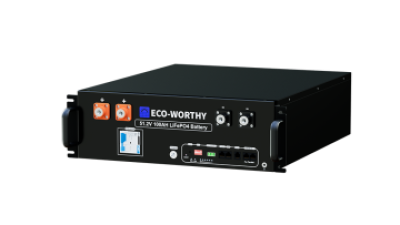
Exploring the Advantages of ECO-WORTHY 48V 100Ah LiFePO4 Lithium Batteries: Performance Data and Applications in Renewable Energy Systems
The ECO-WORTHY 48V 100Ah LiFePO4 Lithium Battery stands out as a remarkable option for enhancing energy storage solutions in renewable energy systems. One of its primary advantages is the superior performance data it offers, particularly in efficiency and longevity. According to industry reports, lithium iron phosphate (LiFePO4) batteries can deliver around 3000 to 5000 cycles, significantly surpassing traditional lead-acid batteries, which typically only offer 500 to 1000 cycles. This longevity results not only in reduced replacement costs but also in long-term energy savings for both residential and commercial applications.
In addition to performance, the ECO-WORTHY battery features real-time monitoring capabilities, which allows users to track energy usage and battery health effortlessly. This aspect is crucial in optimizing renewable energy systems, particularly solar power setups. A report from the International Renewable Energy Agency (IRENA) highlights that adopting advanced monitoring systems can increase the efficiency of renewable energy utilization by up to 20%. Furthermore, the compact, space-saving design of the ECO-WORTHY battery makes it ideal for server racks and confined installations, maximizing usable space while ensuring that power needs are met without compromise.
The combination of these features not only enhances energy efficiency but also contributes to the overall effectiveness of off-grid and uninterruptible power supply (UPS) applications. As the demand for sustainable energy solutions continues to rise, the adaptability and reliability of the ECO-WORTHY 48V 100Ah LiFePO4 battery position it as a leading choice in the evolving landscape of renewable energy systems.
FAQS
: The demand is rising due to the need for sustainable energy solutions and the growth of the electric vehicle market.
Sourcing reliable raw materials is difficult. Supply chain unpredictability and fluctuating phosphate prices affect production.
LFP batteries typically offer lower energy density, limiting their use in high-performance applications.
Advances in production technology could enhance energy density. Environmental regulations also drive cleaner battery solutions.
They have a longer life cycle and a reduced risk of thermal runaway, making them suitable for various applications.
LFP batteries accounted for over 30% of the global electric vehicle battery market in 2022.
Consumers should consider real-world conditions like temperature impacts and charging rates to optimize efficiency.
Yes, collaboration between companies is vital for sharing knowledge and accelerating technological improvements.
Production is expected to expand significantly, driven by advancements in cathode materials and recycling processes.
Continual innovation is crucial to overcome existing challenges and improve battery performance for future applications.
Conclusion
The article explores the burgeoning landscape of LFP (Lithium Iron Phosphate) lithium batteries, detailing their advantages such as safety, thermal stability, and longevity. China's dominance in the global lithium battery market is highlighted, showcasing the significant role of leading manufacturers in producing high-quality LFP lithium batteries. These batteries have found diverse applications across various industries, including electric vehicles, renewable energy storage, and consumer electronics.
However, the LFP battery sector is not without its challenges, including competition from alternative battery technologies and the need for innovation. The article also discusses future trends aimed at improving performance and reducing costs. For global buyers looking to purchase LFP lithium batteries, it emphasizes important considerations such as reliability, supply chain issues, and technological advancements, positioning them to make informed decisions in a rapidly evolving market.