Lately, there's been a big surge in demand for reliable battery storage solutions all around the world. That's honestly made the importance of good Battery Rack Mount systems clearer than ever. If you’ve talked to folks like John Miller over at PowerTech Innovations, he’ll tell you that choosing the right rack mount can really make a difference when it comes to how efficiently your energy gets stored and used. It’s a reminder just how crucial quality mounting solutions are for making sure batteries perform at their best.
As more industries jump into renewable energy, picking the right Battery Rack Mount system isn’t just a minor detail — it becomes pretty much essential. When shopping around, people should think about durability, whether it’s compatible with their setup, and how easy it is to install. Sure, there are lots of options out there, but not all of them meet the strict standards needed for safe and effective use. Paying close attention to these details can save you a lot of headaches down the road—less downtime, better energy management, and all that good stuff.
Now, navigating the world of Battery Rack Mount solutions can be a bit tricky. It’s not just about price; you’ve also gotta weigh quality and reliability. Every choice you make here can really affect how well your entire energy system works. So, taking the time to think things through is totally worth it if you want the best results and a smooth operation overall.

Top Battery Rack Mount Solutions: An Overview of Industry Standards
When it comes to choosing battery rack mount solutions, understanding industry standards is crucial. These standards ensure compatibility and safety across various applications. Common standards include IEC, UL, and ISO, dictating everything from material specifications to installation practices. It's vital for global buyers to stay updated on these requirements to ensure compliance and functionality.
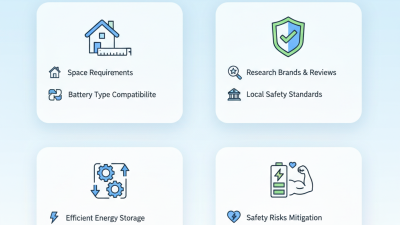
Consider the varying environmental conditions where these rack mounts will be used. Factors like temperature, humidity, and exposure to chemicals can affect performance. Choosing materials that withstand these conditions is essential. For instance, metal versus plastic racks can lead to significant differences in durability and maintenance. Reflect on your specific needs—this can help avoid costly mistakes down the line.
Here are a few tips for optimal selection. Carefully assess load capacities to prevent issues during installation. Conduct thorough research to understand regional standards, as these can differ significantly. Always consider future scalability to accommodate growing energy demands. Investing time to reflect on these aspects can lead to more informed choices.
Market Trends in Battery Rack Mount Solutions for 2023
As battery energy storage systems gain traction, the demand for battery rack mount solutions is rapidly evolving. In 2023, the market is projected to grow at a compound annual growth rate (CAGR) of 10.5%, according to a recent report by ResearchAndMarkets. This growth is driven by the increasing emphasis on renewable energy sources and grid stabilization. Battery rack solutions are crucial for optimizing space and ensuring safety in energy storage facilities. Key market segments include residential applications, where compact and versatile systems are essential.
Battery rack mounts are now being designed with innovative materials that enhance durability, such as corrosion-resistant metals and fire-retardant composites. These advancements not only improve safety but also extend the life cycle of battery systems. A survey by Grand View Research revealed that nearly 70% of users prioritize safety features when selecting battery storage solutions. Nevertheless, manufacturers face challenges ensuring these features meet diverse regional regulatory standards. This inconsistency can lead to confusion among global buyers, highlighting a need for clearer guidelines in the market.
An essential trend is the integration of smart technology into battery racks. Smart monitoring systems can track battery performance and detect potential issues in real-time. However, a substantial gap remains in consumer education regarding these solutions. Many buyers may overlook the long-term benefits of investing in advanced monitoring options. As the market matures, addressing these knowledge gaps will be critical for sustained growth. Improvements in training and support for end-users will shape the future landscape of battery rack mount solutions.
Key Features to Consider in Battery Rack Mount Designs and Materials
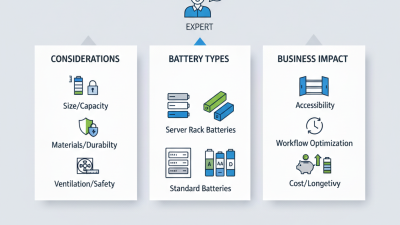
When selecting battery rack mount solutions, several key features emerge as critical. The material used in the rack significantly impacts durability. Steel and aluminum are popular choices due to their strength and resistance to corrosion. However, weight considerations are vital. Lightweight materials can ease installation and transport but may sacrifice sturdiness. Evaluating trade-offs is important to get an optimal design.
Heat dissipation is another factor not to overlook. Battery systems generate heat, and effective ventilation prevents overheating. Designs that prioritize airflow can enhance battery life. Additionally, adjustability can be beneficial. A rack that allows for configuration changes can accommodate future upgrades or changes in battery size. Flexibility is essential for adapting to evolving technology.
Attention to safety features is crucial. Ensure the rack includes appropriate support to prevent tipping. Consideration of accessibility for maintenance is often overlooked. When racks are challenging to reach, it complicates routine checks and necessary repairs. A robust design should maintain reliability while facilitating ease of use. Balancing design choices with practical applications reflects a thoughtful approach to battery rack mount solutions.
Comparative Analysis of Battery Rack Mount Solutions Across Leading Brands
Battery rack mount solutions play a pivotal role in energy storage systems. The competition among manufacturers has driven innovation, offering users diverse options to meet specific needs. A recent report indicates that the global market for battery mounting solutions is growing at a CAGR of 8.5%, projected to reach $3 billion by 2025. This growth highlights the increasing reliance on efficient storage systems across industries.
When analyzing different solutions, factors such as material strength, design versatility, and installation ease stand out. Some systems focus on lightweight materials, which can reduce installation time significantly. Others prioritize durability to withstand harsh environments. For example, some designs promise extended lifespans, but actual performance may fall short in extreme conditions. Reliability in real-world applications can vary, making it crucial for buyers to assess the specifics rather than rely solely on marketing claims.
Energy efficiency ratings also differ across brands. Some mounting solutions claim to enhance cooling efficiency by up to 25%. However, this benefit may depend on specific environmental factors. A solution that excels in one region might not perform as well in another, raising questions about the universality of these claims. Users should conduct thorough evaluations based on their unique circumstances, focusing on empirical data and real-life case studies.
Safety Regulations and Compliance in Battery Rack Mount Installations
Safety is paramount when it comes to battery rack mount installations. Compliance with safety regulations ensures that facilities operate efficiently and minimize risks. Properly designed battery racks adhere to environmental and electrical standards. They also consider factors such as ventilation, weight distribution, and accessibility.
Test your installation against common standards. Check your local regulations for specific safety requirements. Ensure racks can withstand potential hazards, such as thermal runaway. Regular inspections help identify wear and stress points. Document any findings and take corrective actions promptly.
Using high-quality materials is essential. Choose fire-resistant components. Verify the load capacity of your racks. Improper installations can lead to accidents. Over time, revisit your safety protocols to enhance reliability. Involving professionals during setup can sometimes prevent long-term issues. Their expertise can uncover potential risks and offer tailored solutions. Always seek to improve your installation's safety and efficiency.
Cost-Benefit Analysis of Various Battery Rack Mount Systems
When selecting battery rack mount solutions, the cost-benefit analysis becomes critical. Many systems boast impressive capacities, but their price tags vary significantly. Balancing upfront costs with long-term efficiency is essential. A cheaper option may save money initially but require frequent replacements. This can lead to unexpected expenses over time.
Moreover, ease of installation and maintenance play vital roles. Some systems are more user-friendly, requiring less technical expertise. Others demand professional installation, adding to overall costs. Potential buyers need to weigh these factors carefully. Often, overlooked features can enhance reliability, which is crucial for optimal performance.
Investigating customer reviews and case studies helps gauge reliability. It provides insights into real-life experiences. Understanding these aspects informs smarter purchasing decisions. While many products claim to be the best, true value lies in their performance over time. Investing in a solution that aligns with specific needs can yield better returns. Balancing cost and quality is key to finding the right fit.
Top Battery Rack Mount Solutions for Global Buyers
| Solution Type |
Capacity (kWh) |
Cost (USD) |
Weight (kg) |
Installation Difficulty |
Warranty (Years) |
| Standard Rack Mount |
10 |
1200 |
50 |
Easy |
5 |
| Heavy-Duty Rack |
20 |
2000 |
80 |
Medium |
7 |
| Compact Rack |
5 |
800 |
30 |
Easy |
3 |
| Portable Rack Solution |
8 |
950 |
25 |
Very Easy |
4 |
| Industrial Rack Mount |
30 |
3500 |
120 |
High |
10 |
Future Innovations in Battery Rack Mount Technology and Design
Innovations in battery rack mount technology are reshaping the energy landscape. A recent report from the International Energy Agency (IEA) indicates that battery storage capacity can increase by over 25% through improved designs. These enhancements largely stem from integrating lightweight materials and modular configurations.
As the demand for renewable energy grows, so does the need for efficient storage solutions. Current projections suggest that the global battery rack market will reach $10 billion by 2025. Factors driving this growth include rising adoption in commercial sectors and the electric vehicle industry. However, challenges remain. Many designs still confront issues related to thermal management and weight distribution, which can affect performance dramatically.
The future of battery rack mounts will likely emphasize sustainability and scalability. New manufacturing techniques could facilitate the creation of eco-friendly options. Companies must remain vigilant about their designs' environmental impacts. With innovation constantly evolving, staying updated is vital for industry leaders and consumers alike.
FAQS
: Common standards include IEC, UL, and ISO. They dictate material specs and installation practices.
Temperature, humidity, and chemicals affect performance. Choosing durable materials is essential.
Assess load capacities and conduct thorough research on regional standards. This prevents installation issues.
Metal and plastic racks have significant differences in durability and maintenance needs.
Consider your growing energy demands. This foresight prevents costly mistakes.
It’s growing at a CAGR of 8.5%. It’s projected to reach $3 billion by 2025.
Look at material strength, design versatility, and ease of installation for better decision-making.
Not always. Factors like location can affect performance; real-world evaluations are crucial.
Some designs promise long lifespans but may not meet expectations in harsh environments.
Empirical data and real-life case studies offer more insight than marketing claims.
Conclusion
The article titled "Top Battery Rack Mount Solutions for Global Buyers" provides a comprehensive overview of the current landscape of battery rack mount solutions. It highlights industry standards that guide the design and implementation of these systems, alongside market trends that are shaping the future of battery storage in 2023. Key features to consider in battery rack mount designs are discussed, including materials and structural integrity, which are crucial for performance and longevity.
Furthermore, a comparative analysis showcases various battery rack mount solutions, emphasizing their effectiveness across different applications. The article also addresses safety regulations and compliance, ensuring that installations meet necessary standards. A cost-benefit analysis reveals the economic aspects of selecting the right battery rack mount system, while a look ahead at future innovations promises exciting developments in technology and design. Overall, the content serves as a valuable resource for buyers seeking to make informed decisions in the evolving field of battery rack mount solutions.